
Starling Speeds Up Fintech AI Rollout
Starling’s faster AI release cycle shows neobanks moving from occasional AI features toward continuous product adoption.
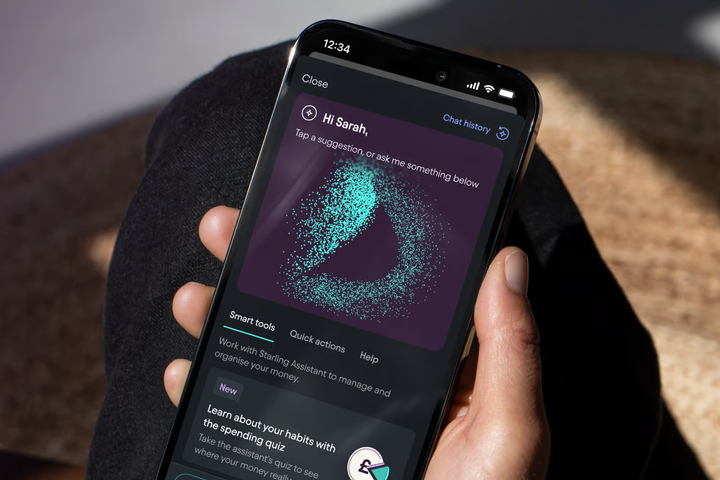
Starling’s AI rollout is not a funding story, but it is a useful signal of how fintech product development is changing.
What happened
Starling Bank unveiled a plan to roll out AI features on a weekly basis as competition among fintechs intensifies. The move positions AI as an ongoing product layer rather than a one-off feature launch.
For a regulated bank, that cadence is notable. Financial products need compliance checks, security controls and customer-trust safeguards, so faster AI deployment is more complicated than shipping ordinary software updates.
Why it matters
Fintechs are under pressure from both traditional banks and newer AI-native finance tools. Faster AI iteration can help with customer service, operations, fraud monitoring, personal finance experiences and internal productivity.
But the risk is equally important. In finance, AI mistakes can affect money movement, trust, compliance and vulnerable customers. Starling’s rollout will be watched not only for what features it ships, but for whether it can balance speed with reliability.
The bigger picture
AI adoption in fintech is moving from isolated pilots into release-cycle strategy. The most competitive companies may not be the ones with the flashiest chatbot, but those that safely embed AI into product, operations and compliance. Starling’s update is a sign that neobanks want AI to become part of the operating rhythm.