
SpotitEarly prepares its AI-and-olfaction cancer test for the US
SpotitEarly has partnered with HITLAB to support US commercialisation of a breath-based cancer-screening system combining trained dogs, sensors and machine learning.
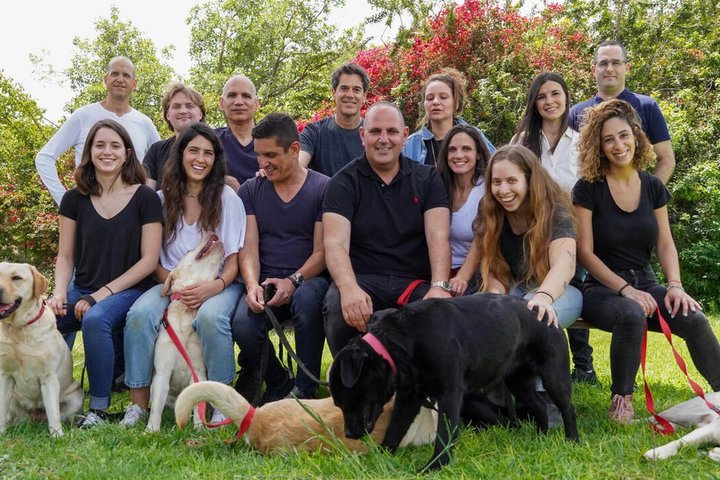
SpotitEarly has partnered with HITLAB to support the US commercialisation and fundraising strategy for a cancer-screening system that analyses breath samples using trained dogs, sensors and machine learning.
What happened
The company’s LUCID platform measures behavioural and physiological responses from dogs exposed to breath samples, then uses software to standardise and interpret those signals. SpotitEarly is conducting a 2,000-participant breast-cancer study and aims to commercialise its first test in 2027, subject to regulatory approval.
HITLAB will support market preparation, fundraising and commercial strategy. The agreement is not a regulatory approval, clinical validation or large customer contract. The test is not currently cleared by the US Food and Drug Administration.
Why it matters
Dogs can detect subtle chemical patterns, but traditional scent-detection studies can be difficult to reproduce consistently. SpotitEarly is trying to convert that biological capability into a measurable system using sensors and machine learning.
A simple breath test could potentially make screening less invasive and easier to distribute. However, cancer screening requires extremely strong evidence because false positives can cause unnecessary procedures while false negatives can delay treatment.
The bigger picture
The company sits at an unusual intersection of biology, hardware and AI. Its opportunity depends on turning an interesting detection method into a standardised clinical product.
Large prospective studies must show sensitivity, specificity and performance across diverse populations. Regulatory review will also examine the complete workflow, including sample handling, animal variability and algorithmic interpretation. Until those milestones are met, the partnership should be viewed as commercial preparation rather than proof that the test is ready for clinical use.