
Spotify turns music discovery into an AI conversation
Spotify is testing a conversational assistant that can recommend, refine, queue and save music, podcasts and audiobooks through natural-language requests.
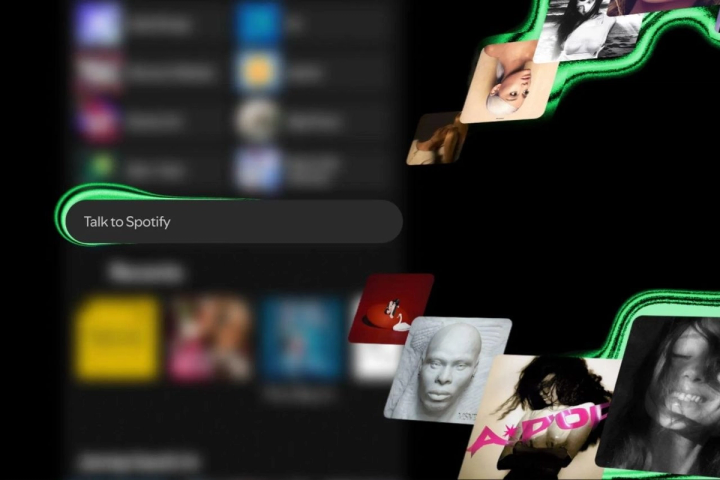
Spotify is turning its recommendation engine into a conversational interface, allowing users to ask for media and refine the result through follow-up requests.
What happened
The company launched a beta assistant for Premium users in the US, Ireland and Sweden. Users can type or speak requests for music, podcasts or audiobooks, then narrow the results by mood, activity, genre, era or other preferences. The assistant can also explore listening history and take actions such as saving or queueing content.
This goes beyond generating a static playlist from one prompt. Spotify is trying to create an ongoing interaction in which the system remembers the context of the conversation and adjusts recommendations as the user clarifies what they want.
The product draws on an advantage general-purpose chatbots do not automatically have: Spotify’s catalogue, licensing relationships and detailed history of how each user listens.
Why it matters
Recommendation feeds are effective when users are willing to browse, but they can be frustrating when someone has a specific but hard-to-describe intention. Conversational search lowers that friction by letting users describe a situation rather than knowing the exact artist, title or category.
For Spotify, the assistant could increase engagement across formats. A request that begins with music might lead to a podcast or audiobook, helping the company make better use of the broader catalogue it has invested in.
The bigger picture
Consumer platforms are adding AI at the action layer, not merely as a chatbot tab. The strongest products will combine language models with proprietary data and the ability to complete tasks inside an existing service.
Spotify’s challenge is to make the assistant feel faster and more useful than tapping through the app. If it succeeds, conversational discovery could become a new default interface for media platforms, while reinforcing the value of first-party behavioural data.