
SpaceX deploys V3 Starlink but loses booster
SpaceX successfully deployed its first V3 Starlink satellites, but another booster problem highlighted the remaining gap between payload delivery and reliable reuse.
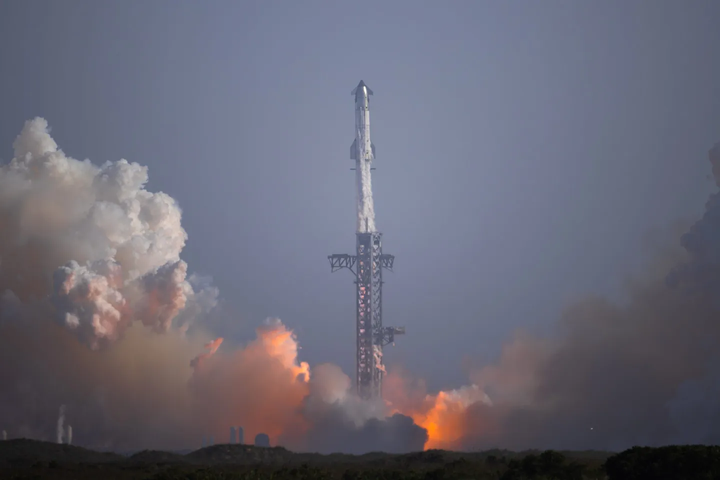
SpaceX’s latest Starship flight delivered a meaningful payload milestone while exposing the part of the system that still needs work.
What happened
SpaceX successfully deployed its first third-generation Starlink satellites using the upgraded Starship V3 system. The upper stage completed the deployment, survived re-entry and performed its planned simulated water landing.
The Super Heavy booster did not complete its landing sequence as intended. It could not restart all the engines required for the manoeuvre and was destroyed when it struck the water faster than planned.
The mission therefore produced a split result: the payload and upper-stage objectives were largely achieved, while the booster recovery failed.
Why it matters
The larger V3 Starlink satellites are designed to increase network capacity, but they are also too heavy to launch economically at scale using SpaceX’s existing Falcon 9 architecture. Starship is central to the next phase of the constellation.
Deploying the satellites proves that the vehicle can perform one of its core commercial functions. But the economics depend heavily on recovering and reusing the booster. Repeated losses would raise launch costs and slow the flight cadence needed for a large network upgrade.
The bigger picture
Starship is no longer only a long-term Mars project. It is becoming infrastructure for SpaceX’s existing communications business.
That creates a feedback loop: Starlink revenue helps finance Starship, while Starship is expected to lower the cost of expanding Starlink. The recent flight moved that loop closer to reality, but reliable reuse remains the key technical and financial test.