
SpaceX’s AI payoff is arriving on Earth before orbit
SpaceX’s near-term AI economics are increasingly tied to terrestrial compute infrastructure rather than orbital data centres.
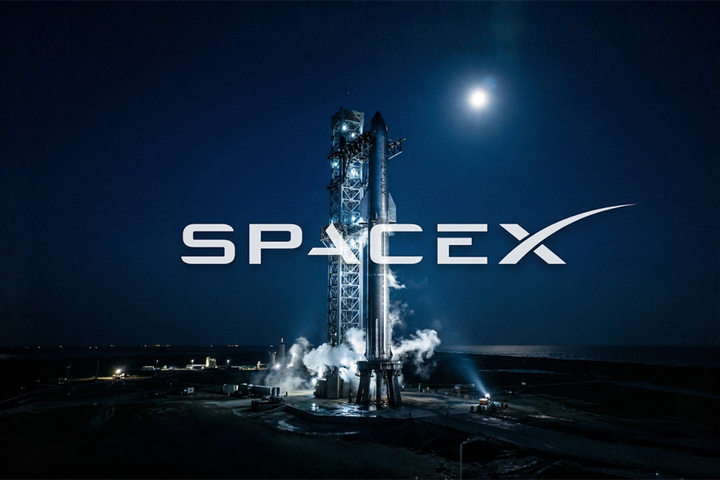
The space industry is talking more about orbital compute, but the near-term AI economics may be much more terrestrial.
What happened
Recent disclosures and analyst work point to SpaceX building a growing AI infrastructure position around Earth-based compute rather than relying on orbital data centres for near-term value.
The company has been linked to compute agreements with major AI players and is expanding large-scale capacity through its Colossus infrastructure.
Orbital computing remains part of the longer-term story, but the immediate commercial case appears to be conventional high-density compute on the ground.
Why it matters
SpaceX is increasingly difficult to view as only a launch and satellite company.
Its infrastructure, power demand, connectivity assets and AI exposure are beginning to converge into a broader technology platform.
That also matters for the orbital data-centre narrative. The economics of putting compute in space remain challenging, while terrestrial facilities can scale sooner using existing customers and demand.
The bigger picture
The boundaries between space, AI and infrastructure are starting to blur.
Some of the most valuable space companies may create near-term value through Earth-based systems before orbital compute becomes practical. SpaceX sits directly at that intersection, where launch capability, connectivity and AI infrastructure increasingly reinforce each other.