
SoundHealth Raises $12M for Nasal Wearable
SoundHealth’s Series A shows healthtech hardware is moving toward narrower, measurable AI-enabled use cases.
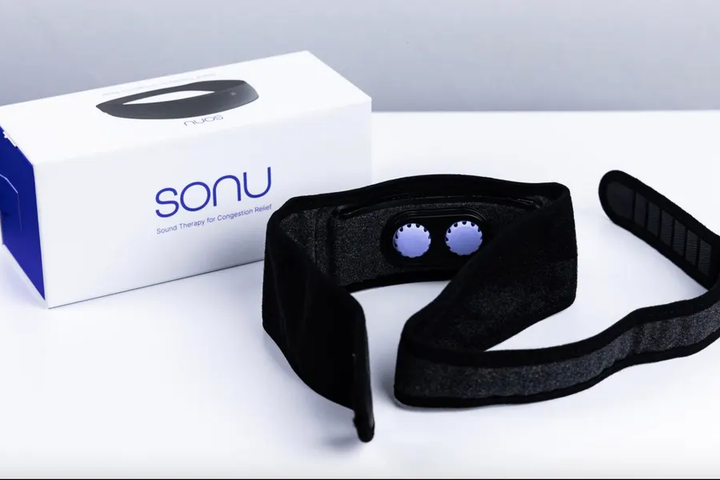
Healthtech hardware is often hard to fund because it has to prove both user demand and clinical usefulness. SoundHealth’s round is interesting because it focuses on a narrow problem rather than a broad wellness promise.
What happened
SoundHealth raised a $12.25 million Series A to commercialise its nasal wearable. The product is designed for sinus congestion and personalised, AI-enabled non-invasive health tracking.
The company sits between consumer health, medical devices and AI-assisted monitoring. Instead of trying to be a general health wearable, it is focused on a specific area where symptoms are common, measurable and potentially tied to repeat usage.
Why it matters
Medtech funding has become more selective, so even a mid-sized Series A can be meaningful when the product path is clear. Investors are more cautious about generic wellness devices, but narrower tools with a defined condition, clear use case and possible clinical or consumer reimbursement angle can still attract capital.
The AI angle also matters. In health hardware, AI is most useful when it helps interpret signals, personalise feedback or track changes over time. That is different from simply attaching an AI label to a gadget.
The bigger picture
The next wave of healthtech may be less about all-purpose wearables and more about focused devices for specific conditions. SoundHealth shows how AI-enabled hardware can become more credible when it solves a concrete problem, collects relevant data and fits into a repeatable patient workflow.