
Sonexos Raises €5.4M for Plasma Noise Control
Swiss deeptech startup Sonexos raises approximately €5.4 million to scale plasma-based low-frequency noise control for industrial equipment and cooling systems.
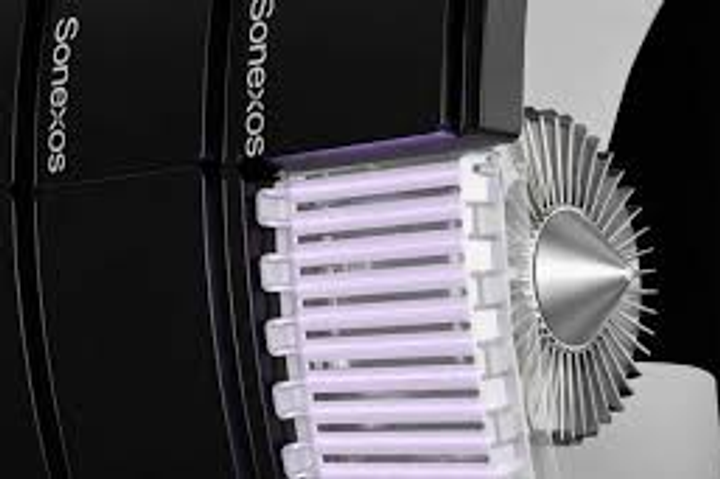
Low-frequency noise from fans, compressors and cooling infrastructure is difficult to eliminate without adding bulky insulation or restricting airflow. Swiss startup Sonexos is developing a different approach: electronically controlled plasma that can absorb sound in a thin layer.
What happened
Sonexos raised approximately €5.4 million (CHF 5 million) in equity financing, led by Valquest Partners, with Bosch Ventures and other investors participating. The company plans to use the capital to move its Plasmacoustic Metalayer technology closer to industrial manufacturing and commercial integration.
The system uses a controlled plasma layer to interact with low-frequency sound, targeting applications such as HVAC equipment, ventilation fans and compressors. Conventional solutions often depend on thick sound-absorbing materials, enclosures or mechanical redesigns. Sonexos instead aims to reduce noise while preserving airflow and occupying relatively little space.
The company reports noise reductions of up to 20 decibels in prototype ventilation applications. That is an application-specific result, not a guarantee of performance across all machines or operating conditions.
Why it matters
Noise is more than a comfort problem for industrial operators. It can complicate plant design, equipment installation and regulatory compliance, especially when air must keep moving through high-powered cooling systems. Data centres are one potential market as AI workloads drive demand for cooling infrastructure.
If the technology works reliably at scale, a compact noise-control layer could give engineers more flexibility than bulky traditional treatments. The commercial questions are durability, energy use, manufacturing costs and performance in different operating environments.
The bigger picture
AI infrastructure growth is drawing attention to less visible physical constraints: electricity, heat, water, airflow and noise. Sonexos illustrates how advances in materials and applied physics can create opportunities around that infrastructure, even without building chips or AI models. Moving from promising prototypes to repeatable industrial deployment will be the decisive test.