
Skalar raises €12M to rebuild tax software around AI
Munich-based Skalar has raised €12M across pre-seed and seed rounds to build tax and accounting software designed around AI rather than added to legacy systems.
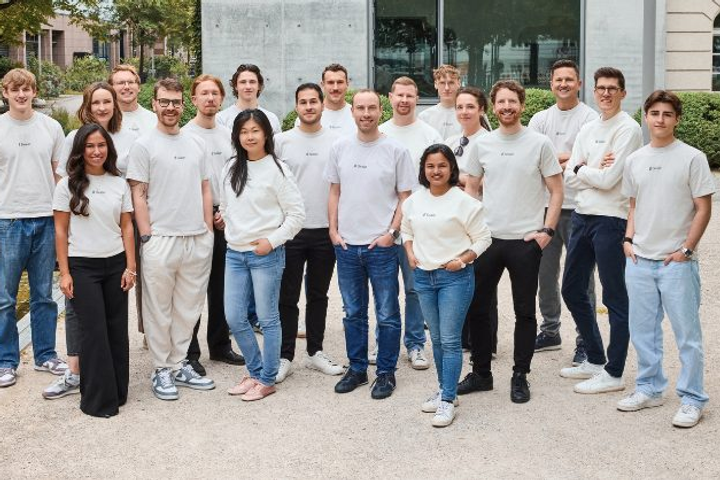
Skalar has raised €12M to pursue one of the harder enterprise-software opportunities: replacing deeply embedded tax and accounting workflows rather than adding a chatbot on top of them.
What happened
The Munich-based startup disclosed €12M across its pre-seed and seed financings. It is building an AI-native platform for tax and accounting work, targeting processes that still require large amounts of manual document handling, data entry, reconciliation and compliance checking.
The founding team includes an entrepreneur who previously sold a company to Klarna for €110M. That background gives Skalar experience in building regulated financial software and selling into organisations where reliability matters more than novelty.
Rather than treating AI as a separate assistant, the company’s premise is that models should sit inside the workflow: extracting information from documents, structuring data, identifying inconsistencies and preparing work for professional review.
Why it matters
Tax software is difficult to disrupt because rules vary by jurisdiction, errors can create legal or financial consequences, and firms already depend on established systems. That creates a high barrier to entry, but also a large opportunity if a new platform can reduce repetitive work without sacrificing auditability.
For accounting firms, the value is not simply writing text faster. It is increasing the number of clients each professional can serve and reducing the time spent moving information between documents and systems.
The bigger picture
A second generation of enterprise AI companies is trying to rebuild core systems rather than sell horizontal copilots. The strongest opportunities are likely to be in narrow, high-value workflows where customers can measure time saved and are willing to pay for accuracy.
Skalar will still need to prove that an AI-native product can handle regulatory complexity and earn professional trust. If it succeeds, tax and accounting could become an important example of AI changing the system of record itself, not just the interface around it.