
Singularity raises $80M as defence investors target lower-cost protection
Singularity emerged from stealth with an $80M Series A to develop lower-cost air-defence technology.
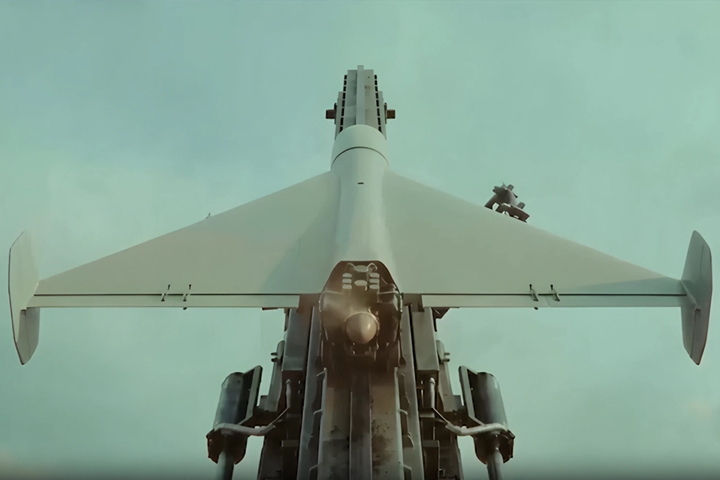
Singularity has emerged from stealth with one of the larger recent early-stage defence rounds, raising $80M to develop lower-cost protection against aerial threats.
What happened
Khosla Ventures and Felicis led the Series A, with participation from NEA, Menlo Ventures, Harpoon Ventures, Long Journey and other investors. The financing values Singularity at approximately $400M.
The company was founded by Jack Oswald and Shail Giroux and has grown to more than 65 employees. It is developing air-defence technology intended to address the widening cost mismatch between inexpensive aerial threats and conventional defensive systems.
Singularity has disclosed limited technical and product information. Its systems remain under development, and the funding announcement does not establish commercial deployment, completed testing or signed procurement contracts.
Why it matters
Defence organisations face an economic problem when relatively cheap drones or other aerial systems must be countered using scarce, expensive interceptors. Startups are attracting capital by trying to lower the cost per defensive engagement and increase production capacity.
An $80M Series A gives Singularity meaningful resources for engineering, testing and manufacturing preparation. It also shows how defence investors are becoming willing to finance hardware-heavy companies before they reach conventional commercial maturity.
The bigger picture
The defence-tech market is shifting toward systems designed for affordability, repeatable manufacturing and rapid iteration. Funding alone does not prove that Singularity can meet those requirements. The company will need to demonstrate that its technology works reliably, passes government testing and can be produced at the scale and cost promised. The valuation reflects the strategic urgency around air defence, but the investment case remains heavily dependent on technical execution and procurement progress.