
Sila Raises $300M to Scale US Battery Materials
Sila raised $300 million to expand US production of silicon-carbon anodes for electric vehicles, electronics and other batteries.
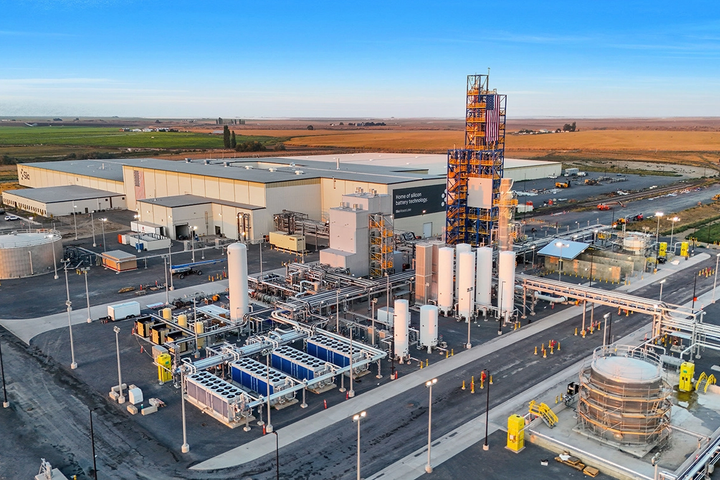
Better batteries are often discussed as a chemistry problem. Sila’s new round is about the harder next step: producing an advanced material at industrial scale.
What happened
Sila raised $300 million in private funding led by Atreides Management and Sutter Hill Ventures, with participation from 8VC, Bessemer Venture Partners, Matrix Partners and funds advised by T. Rowe Price.
The capital will expand the company’s Moses Lake factory in Washington. Sila says the site will eventually produce enough silicon-carbon anode material for more than 100,000 electric vehicles each year. The material is designed to replace part of the graphite used in conventional lithium-ion battery anodes, potentially increasing energy density and improving charging performance.
Sila already has supply agreements with Mercedes-Benz and Panasonic, giving the expansion a clearer commercial path than a laboratory-stage battery project.
Why it matters
Graphite anodes are a strategically sensitive part of the battery supply chain, with production and processing heavily concentrated in China. Scaling silicon-carbon material in the US could improve battery performance while creating a domestic alternative for electric vehicles, consumer electronics, drones and energy-storage systems.
The manufacturing challenge remains significant. New battery materials must perform consistently, meet safety requirements and be produced cheaply enough for mass-market use.
The bigger picture
Investment in electric vehicles has cooled, but demand for higher-density batteries extends well beyond passenger cars. Sila’s round shows that investors still see strategic value in the less visible materials layer supporting electrification, robotics, aviation and grid storage.