
Shield AI Picks X-BAT Production Sites
Shield AI's site selection shows defence-tech companies moving from prototypes toward production infrastructure.
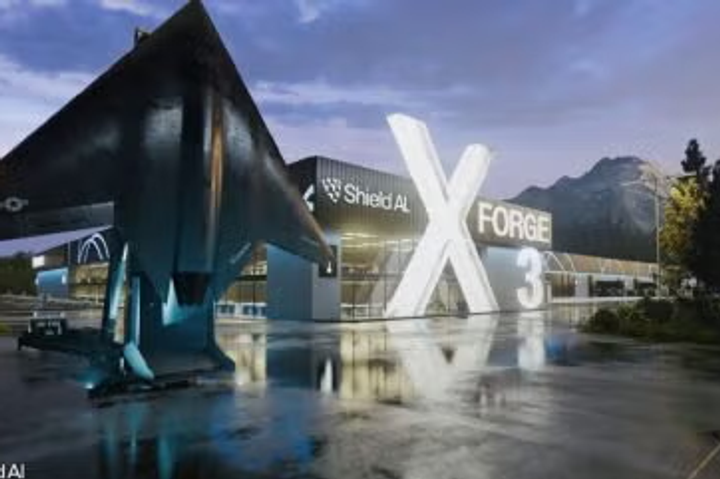
Defence tech is increasingly being judged not only on software capability, but on whether companies can actually build at scale.
What happened
Shield AI selected Newton, Kansas, and Des Moines, Washington, as flight-test and production locations for its X-BAT autonomous aircraft programme.
The company projects that the broader programme could support thousands of jobs over the coming years. Those economic-impact numbers are projections rather than realised employment, but the site selection is still an industrialisation step for the company’s aircraft ambitions.
Why it matters
Many defence-tech startups have proved that they can build impressive prototypes or software-enabled systems. The harder stage is production: securing facilities, suppliers, testing capacity, regulatory permissions and manufacturing talent.
Shield AI’s decision matters because it moves the X-BAT programme further from R&D language and closer to operational infrastructure. In defence, that shift is critical. Customers need confidence that a company can deliver reliable systems repeatedly, not just demonstrate a working concept.
The bigger picture
The defence-tech sector is entering a scale-up phase. Capital, policy attention and procurement demand have increased, but manufacturing remains one of the biggest bottlenecks. Site selection does not guarantee programme success, and production timelines can still slip. But dedicated flight-test and manufacturing locations are a meaningful signal that autonomous defence systems are becoming an industrial capacity question, not only a software question.