
Sensor startups push for role in EU clean-air rules
Five air-quality startups are lobbying for verified small sensors to become part of Europe’s formal pollution-monitoring infrastructure.
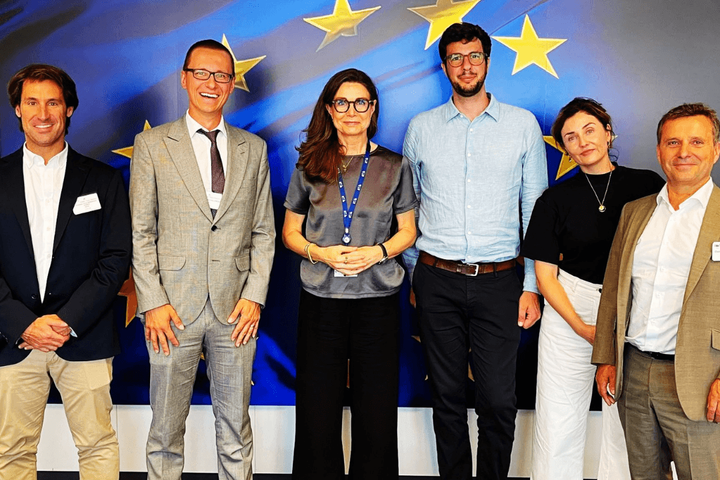
Air pollution can vary street by street, but official monitoring often relies on a limited number of expensive fixed stations. A startup coalition wants Europe to recognise smaller sensors as part of the solution.
What happened
Airly, Ecomesure, Ellona, Kunak Technologies and Clarity Movement formed the Clean Tech for Clean Air coalition.
The group is advocating for greater use of compact air-quality sensors as EU member states implement the revised Ambient Air Quality Directive. These devices can be deployed at higher density than traditional reference stations, potentially revealing pollution hotspots around roads, schools and industrial sites.
The coalition is not asking for unverified consumer sensors to replace regulated stations. Its case is that properly calibrated and quality-controlled devices should complement official monitoring and support more targeted local decisions.
Why it matters
Regulatory acceptance can determine whether environmental-sensor companies remain small pilot providers or become part of recurring public infrastructure procurement.
More granular data could help cities identify where interventions are working, direct enforcement and give residents better information about local exposure. However, inconsistent calibration or poor maintenance can also create misleading measurements.
The bigger picture
For many climate and environmental startups, policy is part of product-market fit. Hardware may already function technically, but adoption depends on whether institutions recognise its data and create procurement standards.
The coalition reflects a broader strategy: companies are collaborating to shape a category rather than competing for isolated municipal pilots. Their success will depend on establishing credible validation standards and showing that additional data leads to better public-health decisions—not simply more dashboards.