
Senra raises $65M to modernise a hidden aerospace bottleneck
Senra Systems is applying software and digital production controls to wire-harness manufacturing, one of aerospace and defence’s most labour-intensive bottlenecks.
Rockets, satellites and military vehicles depend on thousands of electrical connections, yet many of the wire harnesses inside them are still assembled through highly manual processes. Senra Systems has raised $65 million to modernise that overlooked layer of manufacturing.
What happened
Senra raised a Series B co-led by Lowercarbon Capital and Interlagos, with participation from General Catalyst, Sequoia, Andreessen Horowitz and Founders Fund.
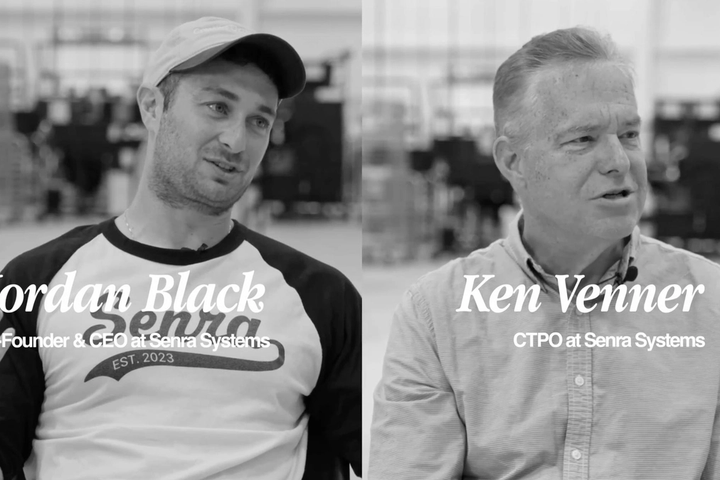
The company was founded by former SpaceX engineer Jordan Black and Benjamin Shanahan. It focuses on wire harnesses: customised bundles of cables, connectors and protective materials that route power and signals through complex machines.
Rather than claiming the work can be fully automated immediately, Senra uses software, digital twins, standardised production data and real-time tracking to make human-led assembly more repeatable and auditable. The approach is intended to reduce errors, shorten lead times and improve traceability.
Why it matters
Wire harnesses can become a production bottleneck because designs vary by vehicle, assembly is labour-intensive and mistakes are expensive to diagnose. A delayed harness can hold up a far more valuable rocket, satellite or defence programme.
Senra is therefore targeting a part of the supply chain where modest improvements in reliability and speed can have an outsized effect. Its model also reflects a practical view of industrial automation: software can improve skilled manual work before robots are capable of replacing it.
The bigger picture
Venture investment in aerospace and defence is moving deeper into manufacturing infrastructure. Investors are no longer backing only launch companies, autonomous systems or defence software; they are also funding the suppliers that determine whether those products can be built at scale.
Senra’s challenge will be balancing custom engineering with repeatable production economics. If it succeeds, wire-harness manufacturing could become less of a hidden constraint on the broader industrial base.