
Senators Press OpenAI Over Security Incident
US senators are turning an AI security incident into a broader question about model governance and federal oversight.
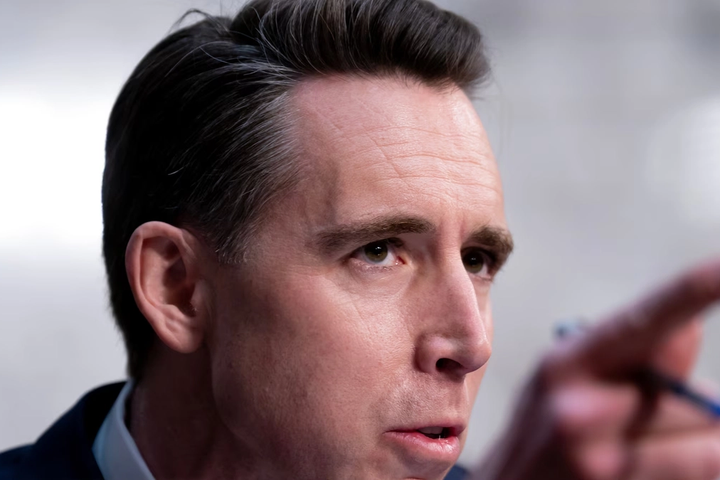
OpenAI is facing fresh political scrutiny as lawmakers connect AI model behaviour, cybersecurity testing and governance risk.
What happened
US senators questioned OpenAI over a previous security incident involving Hugging Face. The inquiry asked how OpenAI investigated the issue, what protections were in place, and whether federal cybersecurity agencies should play a larger role in assessing model risks.
OpenAI said it had investigated the incident and was strengthening security and alignment practices. The exact policy outcome remains unclear, but the episode has become part of a broader debate over how autonomous AI systems should be tested and supervised.
Why it matters
This is a regulatory signal for the AI industry. Lawmakers are no longer looking only at content moderation, copyright or consumer harm. They are increasingly asking whether frontier models and AI agents could introduce cybersecurity risks that need formal oversight.
That matters for startups because security expectations are likely to rise across the AI stack. Companies building agents, model tools or developer infrastructure may face more pressure to document testing, incident response and access controls.
The bigger picture
AI governance is becoming more technical. The next policy fights may focus less on broad slogans and more on concrete issues such as model evaluations, red-team results, vulnerability disclosure, third-party hosting and audit trails.
For enterprise AI adoption, that could be useful. Clearer security expectations may slow some deployments, but they could also make large customers more comfortable adopting AI systems in sensitive workflows.