
Science Corp wins approval for vision-restoring chip
Science Corporation’s PRIMA implant moves neural interfaces from experimental promise toward a real medical product for central vision loss.
Brain-computer interfaces are often presented through distant visions of direct communication between people and machines. Science Corporation now has a nearer-term commercial milestone: European approval for an implant that can restore a limited form of central vision.
What happened
Science Corporation received European approval to launch PRIMA for patients with geographic atrophy caused by age-related macular degeneration. The condition damages central vision, making tasks such as reading and recognising fine detail increasingly difficult.
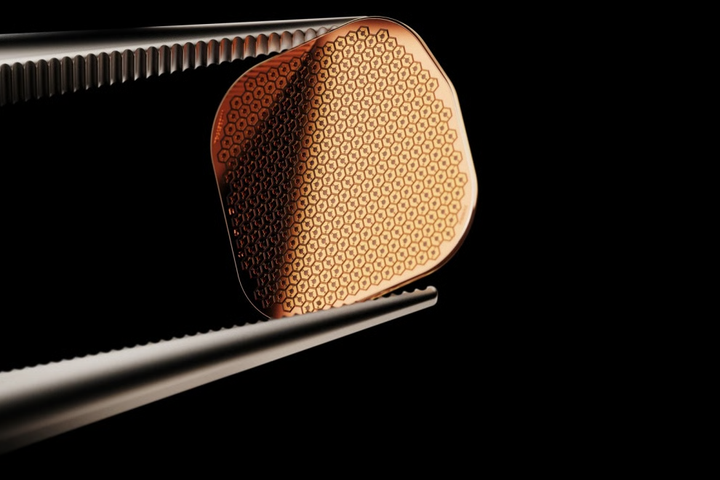
PRIMA combines a small photovoltaic chip implanted beneath the retina with camera-equipped glasses. The glasses capture an image and project encoded light onto the implant, which stimulates remaining retinal cells and sends visual information through the patient’s existing neural pathways.
Clinical results showed that many participants could regain enough functional central vision to identify letters and numbers. The system does not recreate natural eyesight: users receive a limited, primarily black-and-white visual field and still require training. Science Corporation is preparing an initial commercial rollout in Germany and is pursuing an accelerated US regulatory pathway.
Why it matters
The approval converts years of neural-engineering research into a product that can reach patients. That is commercially important for Science Corporation because medical revenue from PRIMA could support its broader work on more advanced neural interfaces.
It also demonstrates a practical route for brain-computer interface companies: begin with a narrowly defined medical problem where the benefit can be measured, rather than attempting a general-purpose interface immediately.
The bigger picture
Neurotechnology is moving through the same transition seen in gene therapy and surgical robotics—from impressive laboratory results toward regulation, reimbursement and clinical delivery.
The next challenge will be adoption. Science Corporation must train surgeons, establish treatment centres, secure reimbursement and demonstrate that the improvement justifies an invasive procedure. Approval is a major milestone, but the commercial test begins when hospitals and patients decide whether the technology is useful enough to become routine care.