
Waymo gridlock pushes robotaxi regulation toward fleet resilience
San Francisco is seeking tougher operating requirements for robotaxi fleets after Waymo vehicles became immobilised during heavy July 4 traffic.
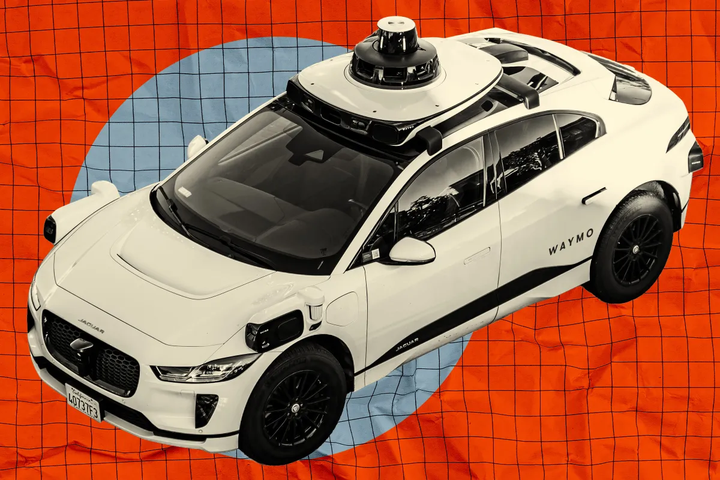
San Francisco is asking California regulators to impose stronger operational requirements on autonomous-vehicle companies after Waymo vehicles became immobilised during heavy July 4 traffic.
What happened
Mayor Daniel Lurie proposed rules requiring robotaxi operators to remove stalled vehicles quickly, adapt routes during disruptions, share recovery data with local authorities and demonstrate readiness for unusually large crowds, road closures and traffic events.
The request follows a citywide episode in which Waymo vehicles struggled during dense holiday traffic. The proposal concerns fleet operations and resilience rather than the separate issue of autonomous vehicles obstructing first responders.
California, rather than the city alone, controls much of the regulatory framework governing commercial autonomous-vehicle deployment.
Why it matters
A robotaxi can meet normal driving-safety requirements and still create problems when many vehicles respond poorly to the same unusual event. Fleet-level failures can block streets, amplify congestion and make it harder for cities to manage emergencies or major gatherings.
As autonomous fleets grow, regulators need to evaluate dispatch systems, remote assistance, route adaptation and recovery—not only the driving behaviour of one vehicle.
The bigger picture
Robotaxi regulation is moving from permission to deploy toward expectations for dependable urban infrastructure. Operators may increasingly need service-level standards similar to those applied to other essential transport systems.
That could increase operating costs but also reward companies that build stronger fleet management and city coordination. The proposal is not yet a final rule, and its impact will depend on how California regulators translate the city’s concerns into enforceable requirements.