
Sabi Raises $50M for Brain-AI Interface
Sabi has raised $50 million to develop a brain-computer interface built into a baseball cap, pursuing AI interaction without surgery, speech or a touchscreen.
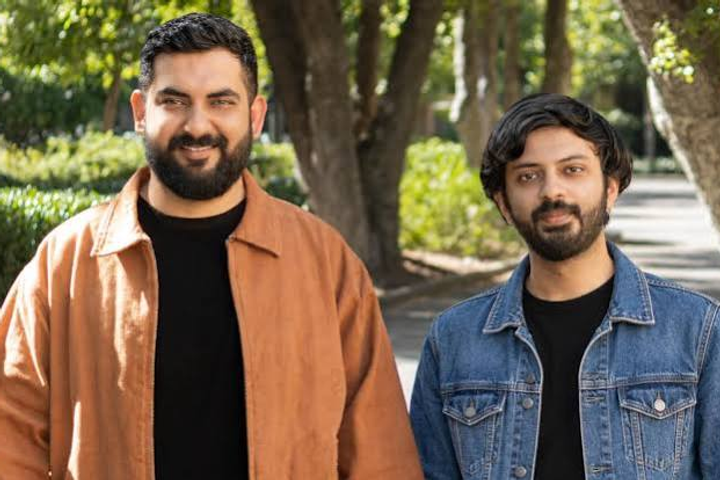
Sabi has raised $50 million to develop a brain-computer interface built into a baseball cap, pursuing AI interaction without surgery, speech or a touchscreen.
What happened
The San Francisco startup announced a $50 million seed round led by Khosla Ventures, with participation from investors including Accel, Initialized Capital, DST Global, Collaborative Fund and Ascend. Sabi is developing non-invasive sensors intended to detect brain signals through hair and an AI model that would translate neural activity associated with imagined speech or intentions into digital inputs. The company says it has trained its Brain Foundation Model using over 100,000 hours of labelled neural recordings and plans to show an early prototype at CES 2027. Those data and performance claims come from the company; they do not establish reliable thought-to-text functionality in ordinary consumer settings. The financing was announced on 9 October.
Why it matters
Implanted brain-computer interfaces can capture neural signals more directly but require surgery. A wearable design could be more accessible if it can extract enough information despite noise, movement and the limitations of scalp-based measurements. Sabi is positioning that research as a new interface for AI assistants, with potential applications beyond conventional accessibility tools.
The bigger picture
Non-invasive neural interfaces face difficult challenges in accuracy, individual calibration, privacy and interpreting what detected signals actually mean. Distinguishing useful commands from ambiguous patterns will matter more than how unobtrusive the device looks. The large seed round signals appetite for radically different interfaces, but the scientific and commercial proof still lies ahead.