
Runware plans an assembly line for modular AI data centres
The proposed factory will assemble complete Sonic Pods, with production planned for early 2027 and capacity targets still to be demonstrated.
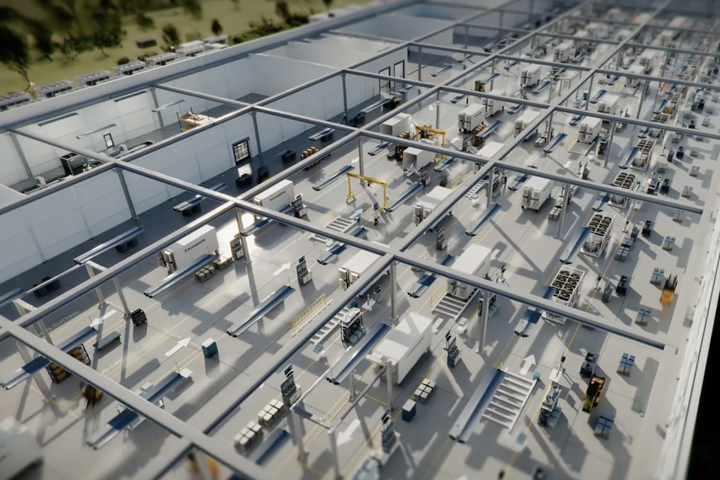
Runware wants to make a data centre something that leaves a factory ready for installation. Its next step is an assembly line for modular computing facilities.
What happened
On 30 October, Runware announced a European factory intended to produce complete Sonic Pods in 1 MW and 2 MW formats. The pods combine computing infrastructure with cooling, networking and power systems.
The company plans to begin production in Q1 2027. Its larger production-capacity figures describe ambitions rather than demonstrated output; commissioning a factory and reaching its target production rate are separate milestones.
Why it matters
Repeatable manufacturing could reduce some of the engineering and coordination required for each deployment. Standardised designs may also make testing, servicing and adaptation to new hardware more consistent.
Those benefits depend on available components, site power and connectivity. Factory completion does not remove those requirements.
The bigger picture
The commercial test is delivered capacity that customers can use reliably at a competitive cost. Manufacturing yield, supply-chain execution, installation and ongoing maintenance will determine whether the assembly-line model produces the promised speed.