
Relativity Raises $22M for AI Fibre
Relativity Networks’ $22M SAFE funding and hyperscaler order point to fibre latency as a growing AI data-centre bottleneck.
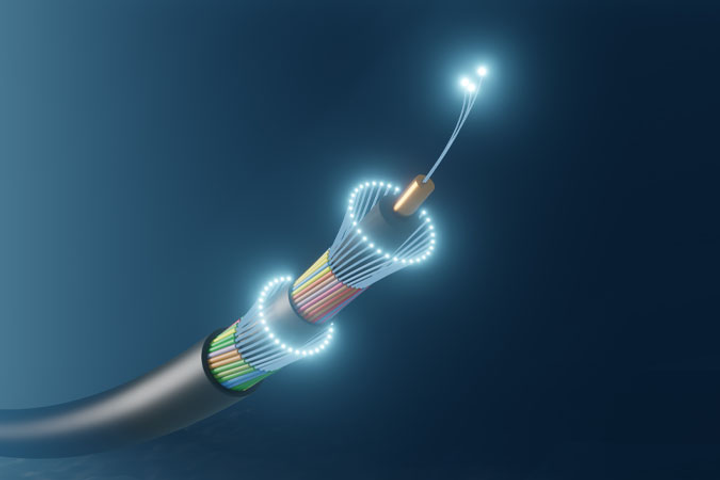
Relativity Networks is a reminder that the AI infrastructure race is not only about GPUs, energy and cooling. The connections between data centres are becoming part of the bottleneck too.
What happened
Relativity Networks raised $22M in SAFE note funding from investors including Rhapsody Venture Partners, Bell Ventures and Faster Than Glass.
The company also secured a $40M follow-on order from an unnamed hyperscaler for its hollow-core fibre technology. Hollow-core fibre is designed to reduce latency by allowing light to travel through air-filled cores rather than conventional glass fibre.
That sounds niche, but latency becomes more important as AI workloads spread across larger clusters, campuses and regions. When data has to move between distributed compute resources, the speed and efficiency of the network can affect performance, cost and reliability.
Why it matters
The strongest AI infrastructure stories are often about hidden layers. GPUs get the headlines, but real-world AI systems also depend on networking, storage, memory, power and interconnects.
Relativity’s combination of funding and a follow-on hyperscaler order suggests the market need is not theoretical. Large AI infrastructure buyers are looking for ways to shave latency and improve data movement between facilities.
The bigger picture
AI data centres are becoming more like industrial systems than simple server warehouses. Every constraint matters: electricity, land, cooling, fibre routes and network performance. Relativity’s raise fits the broader theme that AI infrastructure is creating demand for deeptech components that were previously too specialised for mainstream startup coverage. The future of AI scale may depend as much on these unglamorous physical layers as on model design.