
Queue raises $12.6M for autonomous robotic pharmacy
Queue’s stealth launch and $12.6M seed round point to a new automation layer in pharmacy: combining robotics and software to reduce manual dispensing work.
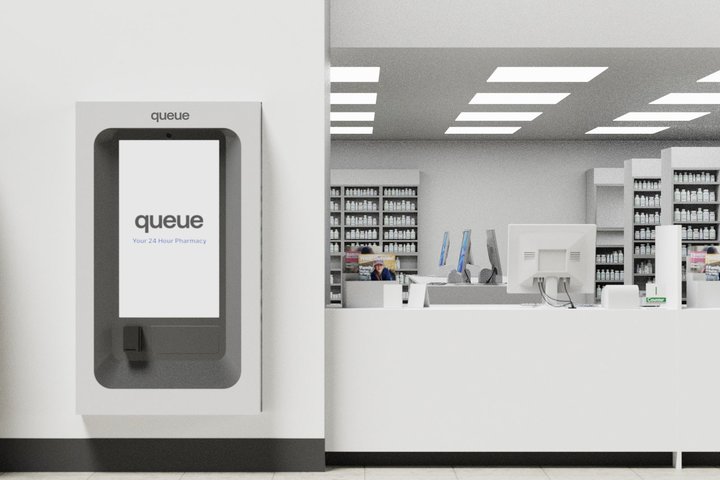
Pharmacy automation is moving beyond isolated dispensing machines toward a more ambitious idea: a pharmacy designed to operate with far less manual intervention.
What happened
Palo Alto-based Queue emerged from stealth with a $12.6M seed round to build what it describes as the world’s first fully autonomous robotic pharmacy.
The company is targeting a workflow that still depends heavily on repetitive physical handling, inventory coordination and manual dispensing processes. By combining robotics with software, Queue is aiming to automate more of the pharmacy operating stack rather than improve only one step in the process.
Why it matters
This is a stronger signal than a generic healthcare AI round because the problem is concrete. Pharmacies face labour pressure, rising prescription volumes and a high cost of operational error. Automation can create value if it improves throughput, consistency and inventory control without weakening safety.
The challenge is equally real: pharmacy is highly regulated, reliability matters, and physical automation has to work continuously in messy real-world environments. That means Queue will need to prove not just that the robot can perform tasks, but that the whole system can operate safely and economically at scale.
The bigger picture
Healthcare automation is moving from software assistants into physical workflows. Hospitals, labs and pharmacies all contain repetitive processes where robotics can reduce bottlenecks, but adoption depends on trust, integration and measurable return on investment.
Queue sits at that intersection of healthcare infrastructure and robotics. If the model works, the opportunity is bigger than one machine: it could turn pharmacy operations into a more automated systems market.