
Proxima Fusion Expands Japanese Technology Partnership
German stellarator company Proxima Fusion signs a cooperation agreement with Kyoto Fusioneering on technology and supply chains for future fusion reactors.
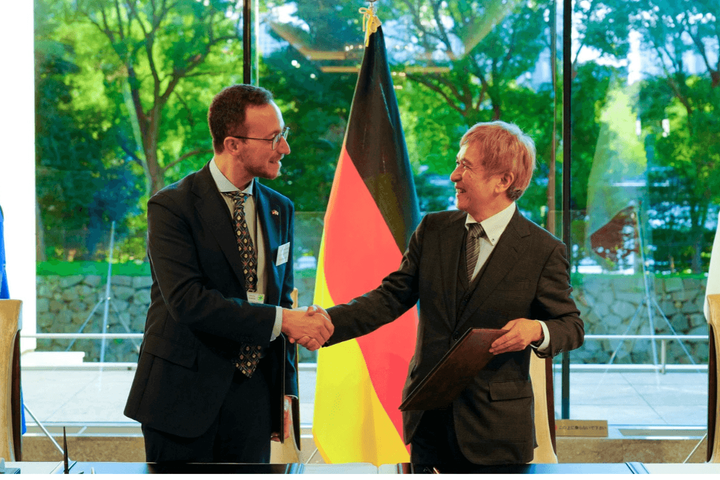
Commercial fusion will require a manufacturing ecosystem, not only a reactor capable of sustaining the right plasma conditions. Proxima Fusion is extending its industrial partnerships to secure critical components.
What happened
Munich-based Proxima Fusion signed a memorandum of understanding with Japanese fusion-engineering specialist Kyoto Fusioneering. The companies plan to cooperate on equipment and systems needed for the next generation of stellarator reactors.
Areas of cooperation include specialised plasma-heating gyrotrons and elements of the fusion fuel cycle. The agreement was announced alongside high-level German-Japanese engagement on energy and technology.
Proxima is developing its Alpha demonstration stellarator, targeted for the early 2030s, with a proposed commercial plant called Stellaris to follow. The announcement concerns industrial cooperation. It is not a newly announced funding round, a completed supply contract for a commercial plant or evidence that fusion power has reached market readiness.
Why it matters
Stellarators aim to confine extremely hot plasma using complex magnetic fields. Their potential advantages depend on equally demanding supporting systems, including heating, materials, fuel handling and reliable control equipment.
Developing those components with specialist partners could reduce execution risk and help create an industrial supply chain before large-scale plants are constructed.
But a memorandum of understanding is an early step. Engineering qualification, manufacturing scale, integration and cost remain unresolved.
The bigger picture
Fusion companies are moving beyond isolated scientific programmes toward networks of suppliers and infrastructure partners. The strength of those networks may become a competitive advantage when projects progress from design to construction.