
Pixelgen Raises €13.26M for Protein Mapping
Pixelgen’s Series B supports spatial protein mapping tools for more detailed cell analysis in drug discovery and immunology.
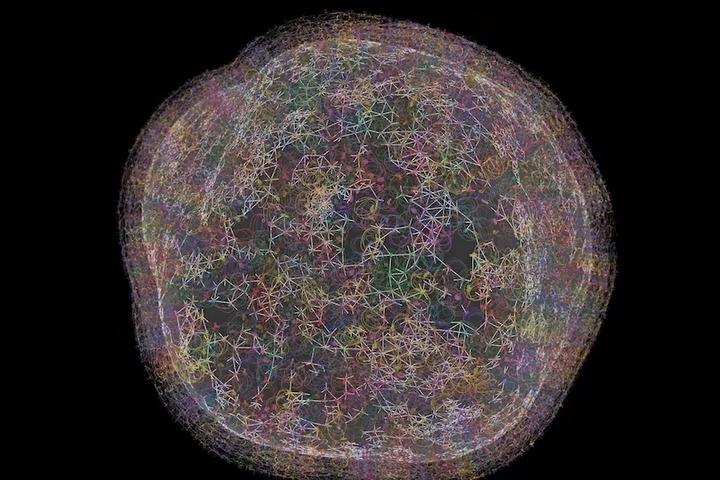
Life-sciences tooling is becoming more spatial, more data-rich and more computational. Pixelgen’s round fits that shift by focusing on how proteins are arranged and interacting on the surface of cells.
What happened
Stockholm-based Pixelgen Technologies raised an oversubscribed €13.26M Series B to advance its spatial mapping platform for cell-surface proteins. The company develops tools such as its Proxiome Kit and related data-analysis software to help researchers map molecular cell architecture.
The funding gives Pixelgen more capital to expand a platform that sits between wet-lab experimentation and computational biology.
Why it matters
Modern drug discovery increasingly depends on understanding biological context, not just identifying individual genes or proteins. For areas like immunology, oncology and cell therapy, where molecules are located and how they interact can be just as important as whether they exist.
Pixelgen is targeting that richer layer of biological information. Better spatial protein data can help researchers understand cell behaviour, identify targets and evaluate therapeutic mechanisms more precisely.
The bigger picture
AI in biotech often gets attention at the model layer, but models need better experimental inputs. Companies like Pixelgen are building the measurement and tooling infrastructure that could make biological datasets more useful. That makes the round part of a broader life-sciences trend: better data generation may be just as important as better algorithms.