
Phosphoenix Raises €1.3M for Vision Neuroprosthesis
Phosphoenix has raised €1.3 million to advance a neuroprosthetic system designed to restore functional vision.
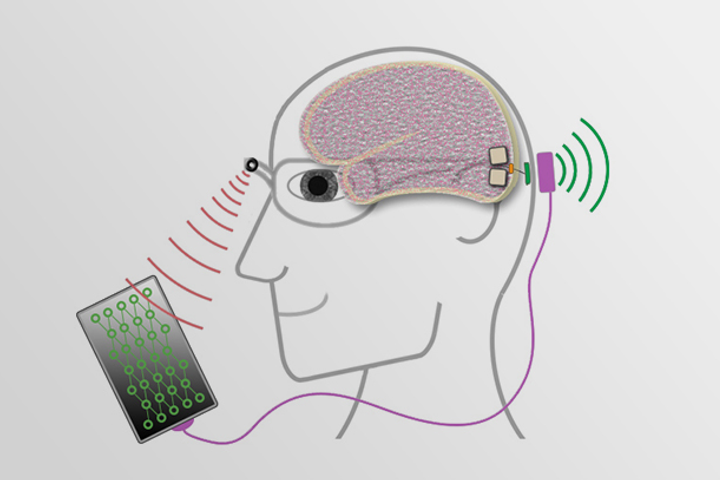
Phosphoenix has raised new funding for an unusually ambitious approach to blindness: bypass damaged parts of the visual system and stimulate the brain directly.
What happened
The Amsterdam-based company completed a €1.3 million financing round backed by existing investors including TTT Medtech Fund, FIRST Fund and Innovatiefonds Noord-Holland, alongside ROM InWest.
Phosphoenix is developing a neuroprosthesis designed to stimulate the lateral geniculate nucleus, a relay centre in the brain's visual pathway.
The funding will support preparations for the company's first-in-human study.
Why it matters
Many visual prostheses focus on the retina or optic nerve. Phosphoenix is targeting a deeper point in the visual pathway, potentially making the approach relevant for people whose damage cannot be addressed through the eye itself.
The technical challenge is significant because the system must translate visual information into stimulation patterns the brain can interpret.
The bigger picture
Neurotechnology is expanding beyond brain-computer interfaces for communication and movement. Restoring sensory function could become another important category if companies can show that implanted systems are safe and produce meaningful real-world benefits. Phosphoenix's round is small, but the underlying technology is high-impact.