
Pangram Raises $9M to Detect the AI Internet
Pangram has raised $9 million for AI-content detection as publishers, educators and recruiters struggle to distinguish human work from machine-assisted content.
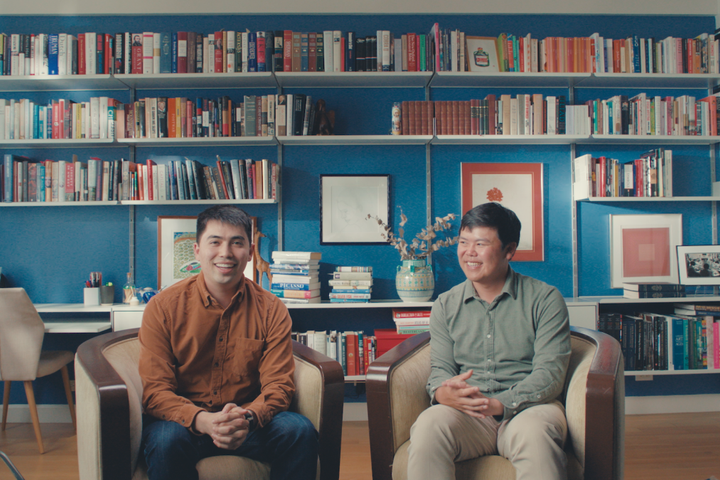
The internet is filling with AI-generated text faster than anyone can label it. Pangram is betting that detection will become its own infrastructure layer.
What happened
Pangram raised $9 million in a round led by Menlo Ventures, with Haystack, ScOp, Script Capital and Cadenza participating. The company also introduced Pangram 4, designed to identify AI-assisted text, and released a research-preview image detector.
Its reported customers include Substack, Quora, publishers, educational institutions and recruiters. These organisations face different versions of the same problem: they may need to know whether an article, assignment or application was produced by a person, heavily assisted by AI or generated almost entirely by a model.
Detection tools generally look for statistical patterns in content rather than uncovering a hidden label that proves where it came from. That makes the problem difficult. New models change their writing style, while human editing can remove obvious signals. Short passages and formulaic professional writing can be especially ambiguous.
Why it matters
If AI content becomes cheap and abundant, trust may become more valuable than production. Publishers need to protect quality, schools need fair assessment methods and recruiters need to understand what a writing sample actually demonstrates.
But the stakes also make false positives dangerous. A detector that wrongly labels human writing as AI-generated could harm a student or job applicant. Detection therefore works best as one piece of evidence, not an automatic verdict.
The bigger picture
Pangram’s greater-than-99% accuracy claim is company-reported and not independently verified enough. TechCrunch’s limited testing found the system useful but imperfect, which is a more realistic picture of the category.
Over time, content provenance may rely on several layers: detection, machine-readable labels, platform records and cryptographic credentials attached when content is created. Pangram’s opportunity is large if detection becomes a routine check, but it operates in an adversarial market where generators will keep improving. The product must be judged not only by headline accuracy, but by how it handles uncertainty and explains its conclusions.