
Orbital seeks approval for 100,000 AI compute satellites
Orbital’s proposed 100,000-satellite network shows how AI’s power and cooling bottlenecks are pushing startups to rethink where compute infrastructure should physically live.
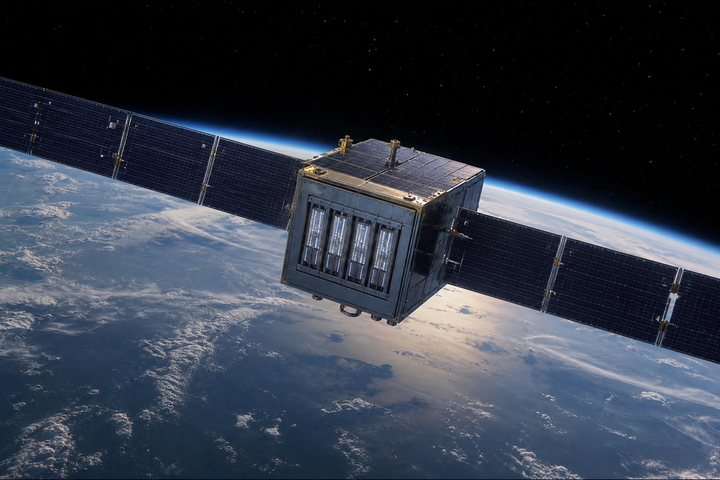
The AI infrastructure race is getting strange enough that some startups are asking a very literal question: what if the data centre moves off Earth?
What happened
U.S. satellite startup Orbital is planning space-based data centres for AI workloads and has filed for regulatory clearance covering 100,000 low-Earth-orbit satellites.
The proposed network aims to deliver 10 gigawatts of compute. The company says it plans to launch its first data-centre satellite next year on a shared payload, with an initial focus mainly on AI inference rather than model training.
The concept relies on small satellites using solar panels for power and radiators for heat management, effectively treating orbit as a new location for compute infrastructure.
Why it matters
The important signal is not that 100,000 satellites are about to appear overnight. The proposal is enormous and would face major technical, regulatory, economic and deployment challenges.
What matters is why the idea exists at all. Terrestrial AI data centres are increasingly constrained by grid connections, power availability, cooling water, land and permitting. As compute demand rises, startups are starting to explore entirely new infrastructure models.
Orbital is betting that some AI workloads could eventually benefit from abundant solar energy and a different thermal environment, especially for inference tasks that may not need to sit next to a traditional hyperscale campus.
The bigger picture
AI is turning compute into a physical infrastructure problem. The bottleneck is no longer just access to chips; it is access to enough energy, cooling and deployable capacity around those chips.
That is pushing the market toward more unconventional ideas: nuclear power, geothermal, stranded energy, offshore data centres and now orbital compute.
Orbital’s plan is highly ambitious, but it captures a real shift: the AI race is forcing startups to rethink not just how computation happens, but where it should happen.