
OpenAI Turns ChatGPT Into an App Platform
OpenAI expands ChatGPT into a distribution layer for third-party software with apps, developer extensions and enterprise integrations.
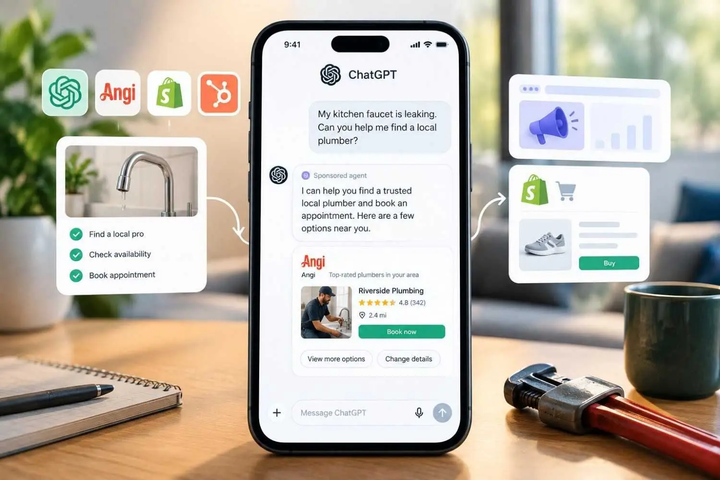
OpenAI is moving ChatGPT beyond being a standalone AI assistant and toward becoming a distribution layer for other software.
What happened
OpenAI introduced a broader app ecosystem inside ChatGPT, allowing apps to be suggested and launched directly within conversations. Developers can build interactive extensions, use "Sign in with ChatGPT" for authentication and distribute software through a new enterprise marketplace.
The company says ChatGPT now reaches 1.2 billion weekly users, giving developers access to a potentially enormous built-in audience.
OpenAI has not announced an Apple-style billing or revenue-share model, so this is not yet a full app-store clone.
Why it matters
Software distribution has historically been controlled by operating systems, browsers and app stores. AI assistants could create a new discovery layer in which users ask for an outcome and the agent selects or invokes the software required.
That changes the strategic value of owning the interface between users and applications.
The bigger picture
The AI platform race is increasingly about distribution, not just model quality. If users begin accessing software through conversational agents, the companies controlling those agents could influence which apps are discovered, how they are invoked and how enterprise workflows are assembled.
ChatGPT is starting to look less like one application and more like an operating layer for many others.