
OpenAI introduces a benchmark for everyday wet-lab analysis
BioBasicsBench tests how AI agents interpret experimental data, spot errors and recognise inconclusive results.
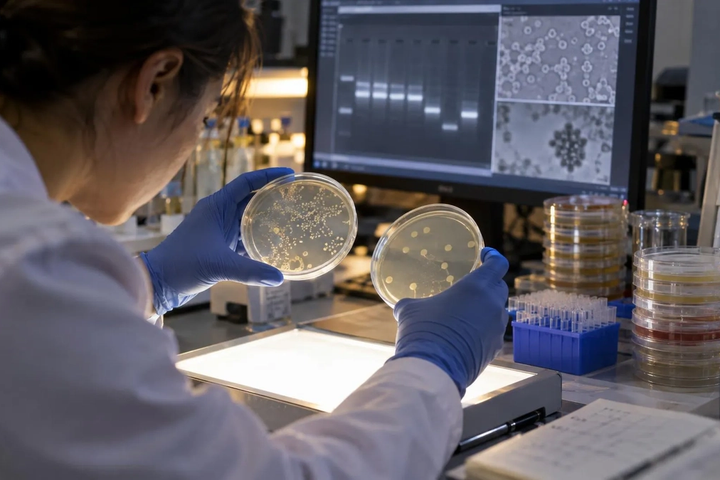
A useful lab assistant needs to recognise when the evidence does not support an answer.
What happened
OpenAI introduced BioBasicsBench on 6 November, developed with Ligo. Its 100 tasks test how agents work with raw experimental data, identify errors and handle insufficient evidence in routine wet-lab analysis.
Why it matters
Scientific work depends on more than producing a plausible explanation. Misreading a result or overlooking a failed experiment can send the next round of work in the wrong direction. Testing those skills makes the evaluation more relevant to everyday research decisions.
The bigger picture
The benchmark measures performance on a defined set of analytical tasks. It does not validate an autonomous laboratory, establish clinical safety or show that an agent can make discoveries independently. Its value is in making specific strengths and weaknesses easier to examine before relying on a system in a wider research workflow.