
OpenAI Hardware Push Points to AI Devices
OpenAI’s hardware plans show frontier AI companies testing physical interfaces beyond phones and browsers.
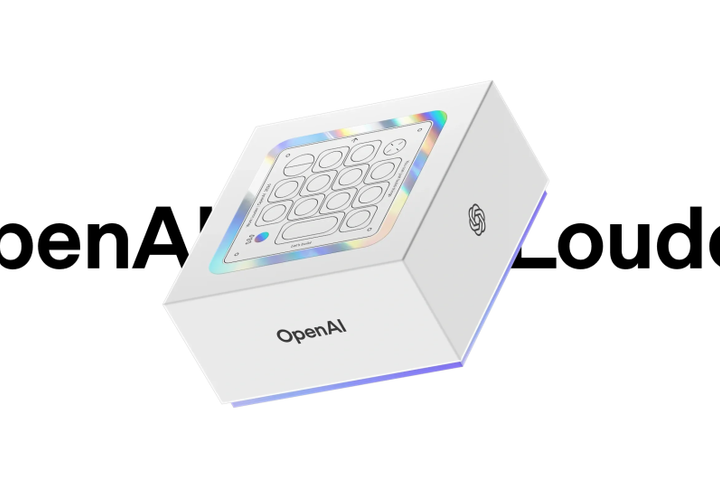
Frontier AI companies are starting to ask whether the next interface for AI should be a device, not just an app.
What happened
OpenAI’s first hardware device is reportedly being developed as a screenless, speaker-like AI product with moving mechanical elements. Separately, company leadership has described a broader family of devices for AI interaction.
The idea appears to be less about replacing smartphones immediately and more about creating new physical surfaces for AI: devices that can listen, respond, sit in the home and make AI feel more ambient than a browser tab.
Why it matters
This is a catch-up item rather than a clean new funding round, but it is still an important consumer-AI signal. Model companies are not satisfied with being buried inside other people’s operating systems, app stores and browsers.
Hardware gives them a chance to control the interface, context and daily habit. It also creates new risks: privacy, price, reliability, usefulness and whether users actually want another device in their lives.
The bigger picture
The AI hardware market is still mostly experiments. Some products focus on recording, some on glasses, some on companionship and some on home assistants. OpenAI’s move suggests the biggest model companies believe the interface layer is too important to leave entirely to Apple, Google, Meta and the existing device ecosystem.