
OpenAI floats 5% US government stake
OpenAI is reportedly discussing a proposal that would give the U.S. government a 5% equity stake as the debate over AI wealth and public benefit grows.
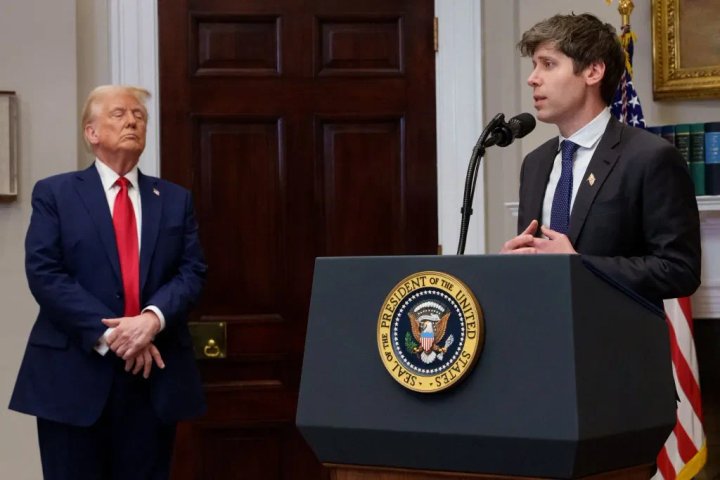
OpenAI’s reported 5% government-stake idea turns the AI boom into a public-wealth debate, not just a startup valuation story.
What happened
OpenAI is reportedly discussing a proposal that would give the U.S. government a 5% equity stake in the company.
The idea is still early and conceptual, not a completed deal. The reported goal is to address political concerns around how the public should benefit from the economic gains created by advanced AI.
Why it matters
This would be a very unusual structure for a leading private AI company. Instead of only debating regulation, taxes or safety rules, the proposal points to a more direct question: should the public have an ownership stake in companies building highly consequential AI systems?
For OpenAI, the idea could help strengthen its relationship with Washington while positioning the company as part of a broader public-benefit conversation. But it also raises difficult questions about governance, independence, valuation and whether other AI companies would be expected to follow.
The bigger picture
AI policy is moving beyond model safety and export controls into wealth distribution. As AI companies reach enormous valuations, governments are starting to ask whether the public should share more directly in the upside.
A 5% government stake would not just be a financial arrangement. It would signal that frontier AI is being treated more like strategic infrastructure — closer to energy, defence or critical technology — than ordinary software.