
Nvidia takes edge AI to the Moon
Nvidia’s Jetson hardware is moving into lunar rovers and satellites, extending edge AI into environments where real-time decisions cannot depend on Earth.
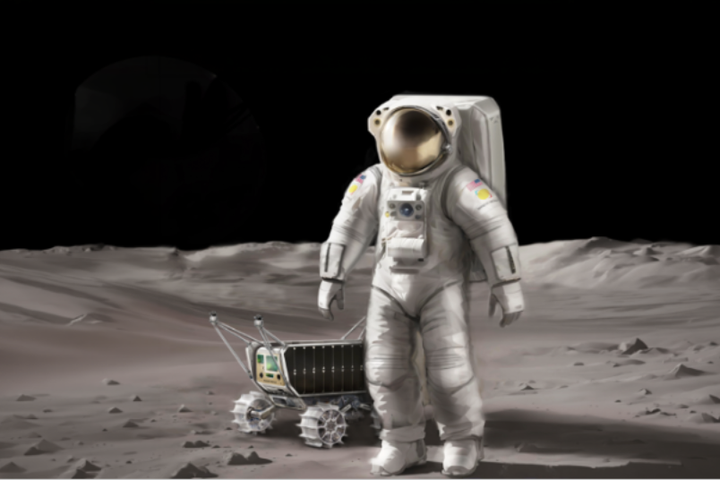
The next frontier for edge AI is literal: Nvidia’s compact computing hardware is being built into lunar systems that need to process sensor data without waiting for instructions from Earth.
What happened
Lunar Outpost plans to use Nvidia Jetson chips to control the lidar system on its next Moon rover. The rover is expected to travel on an Intuitive Machines lander, with launch targeted before the end of 2026.
The lidar system will create a real-time understanding of the terrain around the rover. Running that processing locally matters because lunar communications are delayed, intermittent and too bandwidth-constrained for every navigation decision to be sent back to a terrestrial data centre.
Nvidia also has a separate collaboration with Firefly Aerospace involving Jetson hardware on a lunar-orbiting satellite. That system is expected to process imagery and track activity on the surface.
Why it matters
Space robotics needs autonomy by design. Rovers, landers and satellites must interpret sensors, avoid hazards and prioritise data even when they have limited connectivity.
Jetson gives Nvidia a route into this market through relatively compact, power-conscious hardware already used in terrestrial robotics. The technical requirements are still severe: radiation, temperature swings, power constraints and mission-critical reliability all make lunar deployment much harder than running the same software in a warehouse.
The bigger picture
Nvidia’s physical-AI strategy is expanding beyond factories, vehicles and humanoid robots into space infrastructure.
For the wider startup market, this creates opportunities around ruggedised compute, navigation, simulation, sensing and autonomous mission software. The value will not sit only in launching spacecraft; it will increasingly sit in the systems that allow machines to operate intelligently once they arrive.