
Nihon Kohden brings real-time breathing analytics to ventilator care
Nihon Kohden has added real-time respiratory analytics and adaptive controls to its NKV-550 ventilator, aiming to reduce the manual burden of adjusting patient support.
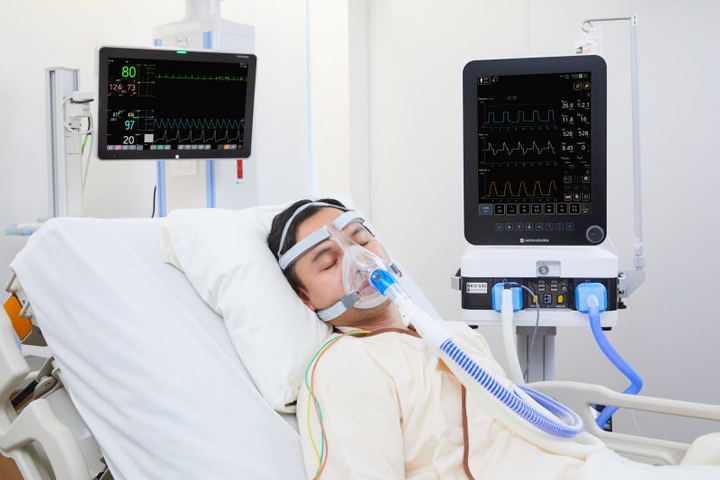
Nihon Kohden has added new analytics and adaptive-control capabilities to its NKV-550 ventilator, giving clinicians more real-time information about how patients are breathing.
What happened
The upgrade adds three main capabilities. The ventilator can estimate how hard a patient is working to breathe without relying on an invasive pressure sensor, adjust support using current lung mechanics and modify synchronisation settings intended to improve how the machine responds to the patient.
This is a product update rather than a financing event. The accessible company announcement described the features but did not provide enough independent comparative clinical data to establish whether the system improves outcomes over competing ventilators.
Why it matters
Ventilator settings often require repeated bedside assessment and manual adjustment. Continuous measurements could help clinicians identify distress or poor synchronisation sooner, particularly in intensive-care environments where patient conditions change quickly.
Automated adjustments may also reduce workload, but clinicians still need visibility into why the machine changed a setting and the ability to override it.
The bigger picture
Medical devices are becoming more software-defined. Instead of functioning as static machines, they increasingly interpret physiological data and adapt in real time. That creates opportunities for better care but also raises the importance of clinical validation, explainability, cybersecurity and human oversight. Nihon Kohden’s update reflects this wider move toward intelligent bedside equipment rather than standalone monitoring or treatment devices.