
New York puts AI data-centre growth on pause
New York has paused approvals for data centres requiring at least 50MW while it develops a new environmental review process for large computing projects.
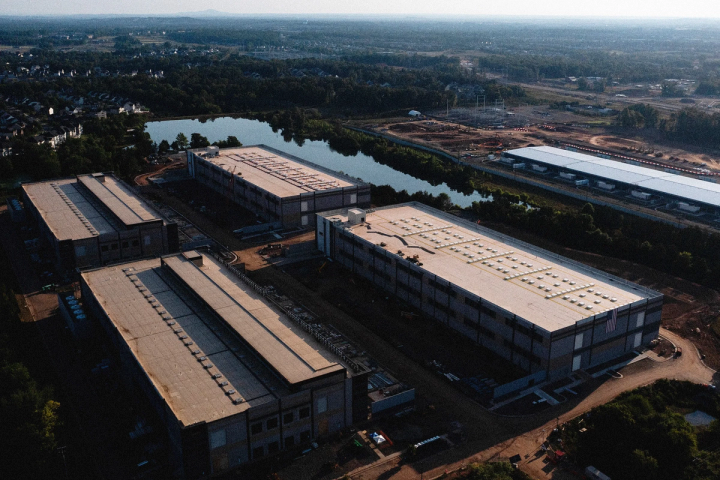
New York has become the first US state to impose a broad pause on approvals for a new generation of very large data centres.
What happened
The state temporarily halted approvals for projects requiring 50MW or more while officials develop a dedicated environmental review process. More than a dozen proposed sites could be affected, and the pause may remain in place for roughly a year.
The threshold is significant: a 50MW facility can consume electricity on the scale of a large industrial site, and the newest AI campuses often plan for several times that level. The review is expected to examine grid demand, local power prices, water use, noise, backup generation and the environmental impact of building supporting infrastructure.
Why it matters
AI companies and cloud providers have treated data-centre capacity as an urgent supply problem, but local governments increasingly see it as a land, energy and public-interest question. A project can have financing, chips and customers lined up and still be delayed because the surrounding grid cannot connect it without major upgrades.
The pause may also change project economics. Developers could face longer timelines, additional mitigation requirements or pressure to provide their own low-carbon power. Smaller sites below the threshold may become more attractive, while neighbouring states could compete for projects that New York delays.
The bigger picture
The AI boom is moving regulation from the software layer into physical infrastructure. Policymakers are no longer only debating model safety and copyright; they are deciding how much electricity, water and land the industry should be allowed to consume and who should pay for the upgrades.
If other states copy New York’s approach, data-centre development could become slower and more fragmented. That would favour companies with strong power-procurement teams, patient capital and the ability to negotiate directly with utilities and local communities.