
Navi Raises A$6.8M After Clearing Its Regulatory Bottleneck
Navi Medical Technologies has raised A$6.8 million after receiving FDA clearance for its cardiac-signal system used to locate catheters in neonatal and paediatric care.
For a medical-device startup, regulatory clearance changes the question from “can this reach patients?” to “can the company manufacture and sell it well?” Navi has reached that transition point.
What happened
Melbourne-based Navi Medical Technologies raised A$6.8 million, including A$4 million from KP Rx. The financing follows US Food and Drug Administration clearance for its Neonav system.
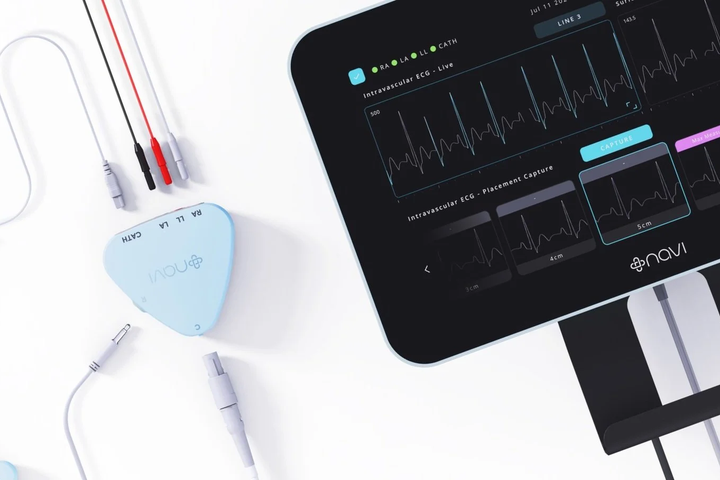
Neonav uses the heart’s electrical signals to help clinicians locate the tip of a catheter in neonatal and paediatric patients. Correct placement matters because these catheters can deliver medication or nutrition, while an incorrectly positioned line may require additional imaging or repositioning.
The system aims to provide information at the bedside rather than relying entirely on a later confirmation step. Navi plans to use the new capital for manufacturing and US commercialisation.
Why it matters
FDA clearance removes a major regulatory barrier and makes this financing more meaningful than an early laboratory-stage medtech round. The company now has permission to market the device in the US, but it must still convince hospitals to buy it and clinicians to incorporate it into established care pathways.
Paediatric devices often serve smaller patient populations than adult products, which can make development and commercialisation difficult. At the same time, tools designed specifically for babies and children can address clinical needs that larger equipment was not built around.
The bigger picture
The next evidence will come from adoption. Hospitals will examine accuracy, training requirements, workflow impact and whether the system reduces time, imaging or repeat procedures. Clearance confirms that the product passed a regulatory threshold; it does not guarantee commercial demand or widespread clinical use.
Manufacturing is another test. A hardware company must produce devices consistently, support customers and manage quality systems as volume grows.
Navi’s round is therefore a milestone rather than a finish line. It shows the company has moved from development into commercial execution, where sales cycles and clinical evidence will determine whether a technically useful product becomes standard practice.