
National Compute Grid Targets Idle AI Capacity
A new National Compute Grid aims to connect underused AI infrastructure and create a shared market for available compute.
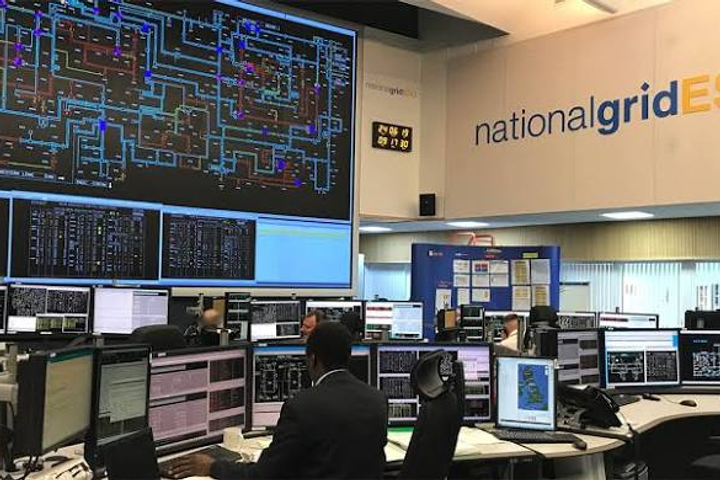
The AI compute shortage is partly a supply problem and partly an utilisation problem. A new industry effort is trying to address the second one.
What happened
A coalition of AI startups, cloud providers, researchers and investors launched the National Compute Grid, a shared system intended to connect underused compute capacity.
Participants can contribute idle infrastructure or reserve larger clusters for planned workloads through a common scheduling layer. The consortium says it has roughly 760MW of capacity connected or in sight and is targeting 2GW by 2030, with initial access focused on government, education and national-lab users.
Why it matters
AI infrastructure is expensive, but expensive hardware can still sit idle because capacity is fragmented across owners, locations and scheduling systems.
A functioning compute grid could make unused resources easier to discover and allocate, potentially improving utilisation without waiting for new data centres to be built. It could also create more options for smaller AI companies that struggle to secure large blocks of compute from hyperscalers.
The bigger picture
Compute is starting to look less like a collection of isolated data centres and more like a market that may need scheduling, brokerage and exchange infrastructure.
If that layer develops, the AI economy could support a more liquid market for compute capacity alongside the existing cloud model. The challenge will be coordinating heterogeneous hardware, networking and reliability requirements across independent providers.