
Mosqitter Builds AI Mosquito Surveillance Network
Mosqitter is turning its chemical-free mosquito traps into a distributed AI monitoring network for public-health organisations.
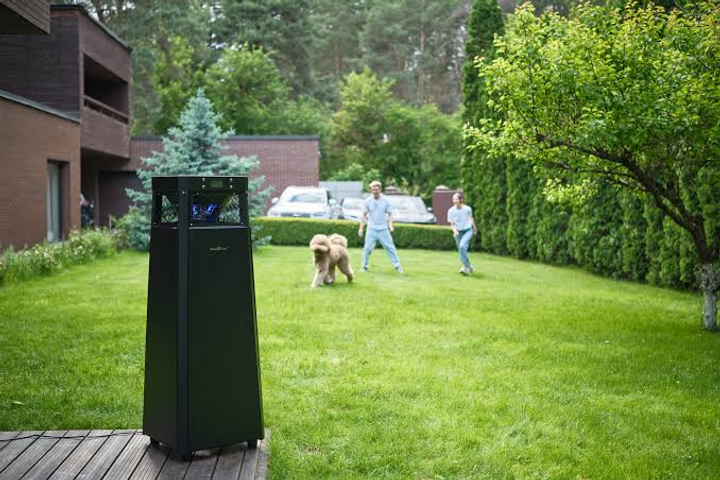
Mosqitter is turning its chemical-free mosquito traps into a distributed AI monitoring network for public-health organisations.
What happened
The startup says more than 5,000 devices operate across five continents. Its computer-vision system analyses trapped mosquitoes to identify species, checks results against external datasets and uses entomologists to validate classifications. Mosqitter combines these observations with weather, humidity and wind information and plans to launch its Febris Monitoring System for governments, airports, universities and public-health customers. Febris does not determine whether a specific mosquito carries a disease; instead, it estimates risk based on the species present and environmental conditions.
Why it matters
Disease surveillance often relies on labour-intensive trapping, manual identification and laboratory work. A distributed sensor network could provide more frequent information about the movement of mosquito species associated with illnesses such as dengue or malaria.
The bigger picture
This is an example of physical sensing, AI and epidemiology converging into public-health infrastructure. The value will depend on classification accuracy, geographic coverage and whether risk signals meaningfully improve prevention decisions.