
Moneybox hits $1.1B as UK private-share market takes shape
Moneybox’s employee secondary sale tests whether the UK can provide startup liquidity without forcing successful companies into an early IPO.
Private companies are staying private for longer, but employees still need ways to turn equity into real liquidity.
What happened
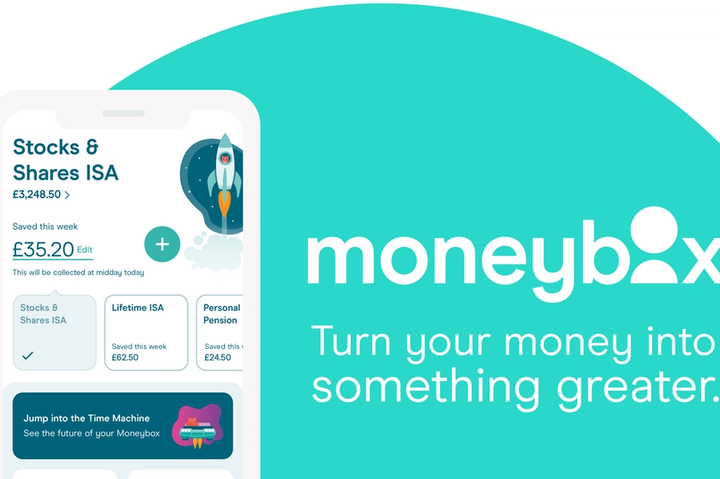
UK wealthtech Moneybox was valued at $1.1B ahead of a £45M employee secondary share sale.
The transaction is expected to use the London Stock Exchange Group’s private-market platform under the UK’s Pisces framework, allowing eligible employees to sell existing shares without Moneybox completing a traditional public listing.
The deal gives employees a route to realise part of the value accumulated through company equity while allowing Moneybox to remain privately held.
Why it matters
Employee liquidity has become a growing pressure point across late-stage technology companies.
Without secondary markets, staff may wait years for an IPO or acquisition before their shares become usable. Structured sales can improve retention and make equity compensation more credible, especially when public-listing timelines remain uncertain.
For the UK, the transaction is also an early test of whether a regulated private-share market can develop meaningful scale.
The bigger picture
The line between private and public markets is becoming less rigid.
Secondary platforms, tender offers and private trading venues are creating intermediate liquidity events before an IPO. If the model works, successful startups may stay private longer while still giving employees and early investors controlled opportunities to sell.