
Microagi raises $55M to build the data layer for humanoid robots
The Munich startup is collecting human demonstrations inside real environments to train humanoid robots for useful physical work.
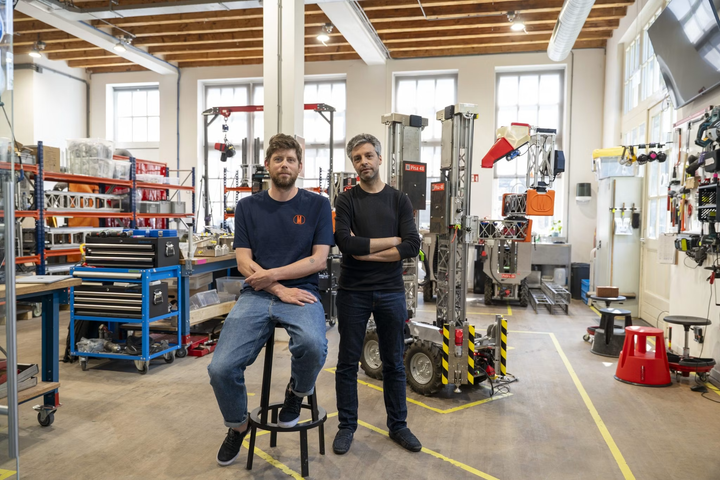
Microagi has raised one of Germany’s largest seed rounds around a simple but difficult thesis: humanoid robots will not become useful until they have enough high-quality data showing how people perform real tasks.
What happened
The Munich-based startup raised $55M in seed funding led by Hummingbird, with participation from Northzone, LocalGlobe, Village Global and Redalpine. The company was founded roughly ten months ago by former Formula 1 engineers.
Microagi collects task demonstrations from people wearing cameras while they sort objects, handle household items or perform factory activities. Those recordings are intended to create training data from the environments where customers eventually want robots to work.
This approach differs from relying primarily on simulated environments or generic internet video. The goal is to capture the precise movements, object interactions and context needed for robots to operate in homes and industrial settings.
Why it matters
Humanoid hardware has advanced quickly, but reliable behaviour remains a major bottleneck. Robots need examples covering different objects, layouts, edge cases and human workflows. Without that data, even capable machines can fail when conditions differ from a controlled demonstration.
Microagi is therefore building an infrastructure layer rather than a robot brand. If its datasets are useful across several hardware platforms, the company could become an important supplier to the broader robotics market.
The bigger picture
The $55M seed size shows how capital-intensive foundation-model approaches to robotics have become. Microagi must prove that its collection process produces defensible data, that customers will permit recording inside sensitive environments, and that the resulting models transfer effectively to physical machines. The opportunity is large, but so are the operational and privacy challenges.