
Meta’s Muse Faces the Consumer AI Trust Test
Meta’s personal AI agent push raises a familiar question: whether users will trust Meta with the private context consumer agents need.
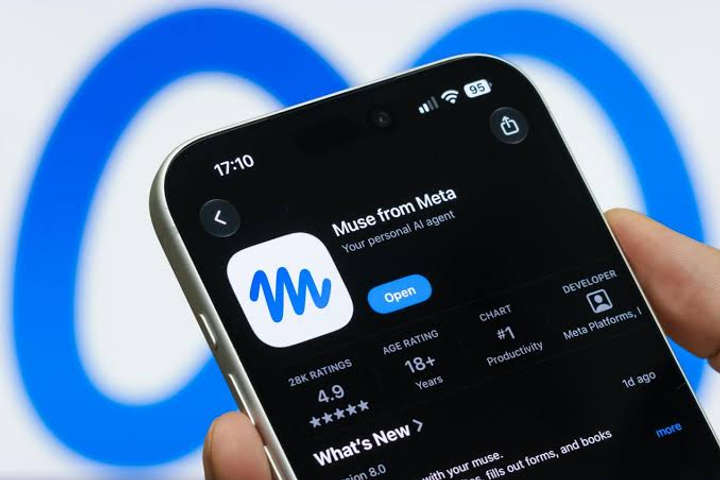
Consumer AI agents need intimate context to be useful, and that makes trust a product feature rather than a branding exercise.
What happened
Meta’s Muse agent drew fresh discussion after its launch, with the central question being whether users will trust Meta with the sensitive personal data needed for a capable consumer assistant.
Muse is positioned as part of Meta’s broader push into AI agents and personal productivity, but a consumer agent needs access to private preferences, communication patterns, apps and potentially transactions.
That makes the trust hurdle different from launching a social feature or an advertising product.
Why it matters
Personal AI agents are only valuable if users let them act across more of their digital lives.
That may include reading context, making recommendations, interacting with services and eventually executing tasks. A company’s privacy reputation therefore becomes a direct constraint on product adoption.
For Meta, the opportunity is large because it already has distribution across social and messaging products. The challenge is convincing users that the agent will handle personal context responsibly.
The bigger picture
The consumer AI race is not only about model quality. Distribution, privacy, permissions and trust may determine which assistants become daily infrastructure rather than novelty products.