
Meta leaves clean-energy pact as gas use rises
Meta's AI buildout is exposing the gap between annual renewable matching and the power used hour by hour.
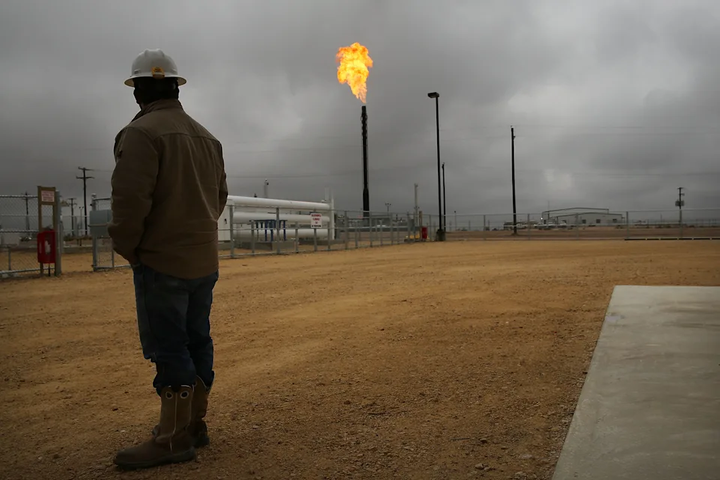
The AI infrastructure race is forcing technology companies to confront a difficult trade-off: the fastest available electricity is not always the cleanest.
What happened
Meta confirmed that it is no longer part of RE100, the corporate initiative whose members commit to using 100% renewable electricity.
The departure comes as Meta expands natural-gas generation around its AI data-centre buildout. Ten planned gas plants in Louisiana are expected to provide roughly 7.5GW of capacity connected to the Hyperion campus.
Meta says it still intends to match its electricity consumption with clean and renewable energy, including through renewable-energy certificates. That accounting approach can offset annual usage even when the physical electricity serving a data centre at a particular hour comes from fossil-fuel generation.
Why it matters
AI facilities require enormous amounts of reliable, continuous power. Grid connections, transmission projects and new clean generation can take years, while gas plants can often be developed more quickly near a campus.
Meta's decision highlights the difference between buying enough renewable energy over a year and operating on carbon-free power around the clock. That distinction matters because data-centre demand is growing faster than many grids can add clean capacity.
The bigger picture
Big Tech's climate commitments were largely designed before the current wave of multi-gigawatt AI campuses. The new infrastructure cycle is testing whether those commitments can survive when power availability becomes a strategic constraint.
The likely result is greater scrutiny of where electricity comes from, not only whether companies purchase certificates. It may also accelerate investment in nuclear, geothermal, storage and grid infrastructure capable of supplying firm low-carbon power.