
Matter Machine Raises £4M for AI Materials Discovery
A University of Liverpool spinout has secured £4 million to combine laboratory automation and machine learning in the search for useful new materials.
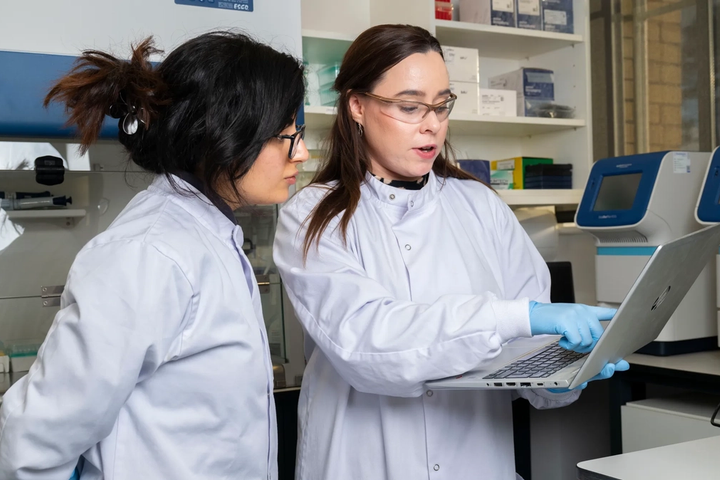
A University of Liverpool spinout has secured £4 million to combine laboratory automation and machine learning in the search for useful new materials.
What happened
Matter Machine raised £4 million in pre-Series A funding led by IP Group, with participation from Northern Gritstone and other backers. The company works on inorganic crystalline materials using a combination of materials chemistry, automated experimentation and AI-driven selection of promising compounds. Applications could include batteries, electronics, catalysts and advanced manufacturing. Gordon Sanghera, known for his work as co-founder and former chief executive of Oxford Nanopore, has joined to support the company's commercialisation efforts. It remains an early-stage spinout, and large-scale customer deployment has not yet been demonstrated.
Why it matters
Materials discovery often involves extensive cycles of prediction, synthesis and measurement. Coupling AI models with controlled experiments could help research teams prioritise more useful candidates and learn from measured physical results. That is distinct from simply using a language model to summarise published chemistry research: the goal is to improve the actual experimentation process.
The bigger picture
A growing group of deeptech startups is trying to build closed-loop research systems in which software proposes experiments and new data improve subsequent choices. The potential commercial impact is large, but discovering a promising material is only the beginning. Manufacturability, cost, stability and validation will determine whether laboratory candidates turn into industrial products.