
Machenta Raises $40M for Rapid Robot Learning
London-based Machenta raises a $40 million seed round to develop simulated-data robotics models that can learn from few demonstrations.
A major obstacle in robotics is teaching machines each new task. Machenta is betting that simulations can reduce the real-world demonstrations required.
What happened
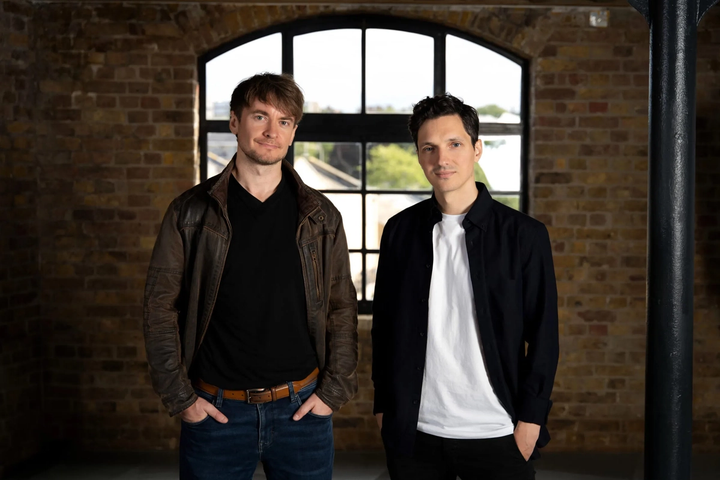
London startup Machenta emerged from stealth with a $40 million seed round co-led by Creandum and Union Square Ventures. It was founded by Imperial College London researchers Edward Johns and Vitalis Vosylius.
The team trains robot-learning models in simulated environments rather than relying primarily on footage and demonstrations collected from real machines. Its research aims to let a robot adapt to a new physical task after as little as one demonstration without extensive additional training.
The company has demonstrated selected manipulation tasks, but the approach remains research-stage. Fine-grained movements, complex interactions and performance across different hardware remain difficult. The new capital will support recruitment, compute resources and model research.
Why it matters
Robotics developers often face an expensive data problem: each environment, robot design or object type may demand new demonstrations and training. If a model generalises from simulation to real equipment, deployment could become faster and less labour-intensive.
However, virtual experience does not automatically capture friction, deformable objects, unexpected contact or changing factory conditions. Measured reliability in actual customer environments will matter more than a successful one-shot demonstration.
The bigger picture
Physical AI is drawing investment toward reusable robot intelligence rather than task-specific programming. Machenta represents the simulation-first approach to that problem. Its commercial value will depend on how far the model generalises beyond the demonstrations that make headlines.