
Lyft and Baidu Begin London Robotaxi Tests
Baidu's Apollo Go vehicles have begun testing with safety operators in Brent through partnerships with Lyft and Freenow, with public rides targeted for 2027.
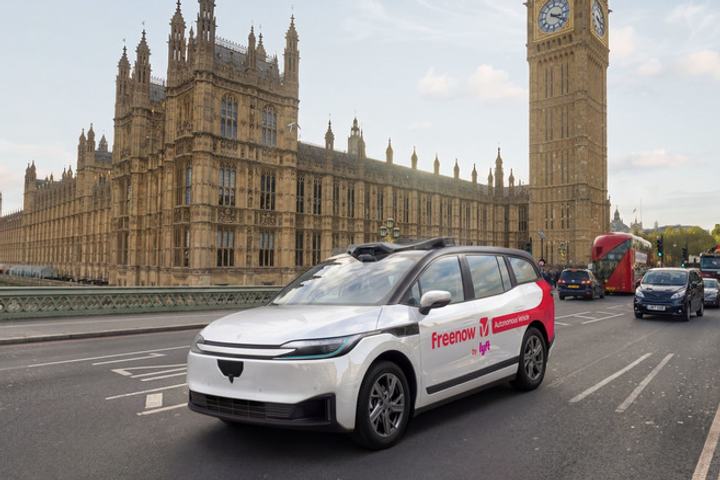
Baidu has begun testing its Apollo Go robotaxis in London, adding another major competitor to the city's emerging autonomous-vehicle market.
What happened
The vehicles are operating with human safety operators in Brent through partnerships with Lyft and Freenow. The companies hope to begin public rides in 2027, subject to regulatory approval.
The testing remains an early-stage deployment rather than a commercial launch.
Why it matters
London is becoming one of Europe's most competitive robotaxi test markets, with programmes involving Baidu, Waymo and Uber–Wayve.
That competition gives regulators and the public a chance to compare different technology and operating models. Baidu brings experience from deployments in China, while Lyft and Freenow provide local ride-hailing distribution.
The bigger picture
Autonomous driving companies increasingly need local partners, not just capable vehicles. Commercial operations require passenger demand, fleet management, insurance, mapping, charging and regulatory relationships.
London will test whether systems developed in very different road environments can adapt to dense streets, complex junctions and local driving behaviour. The winner may be the company that combines dependable autonomy with the strongest operating network—not simply the most advanced model.