
Lucid Gets Another Saudi Vote of Confidence
Prince Al Waleed bin Talal has acquired a 5% stake in Lucid Motors, adding another major Saudi shareholder as the EV maker restructures.
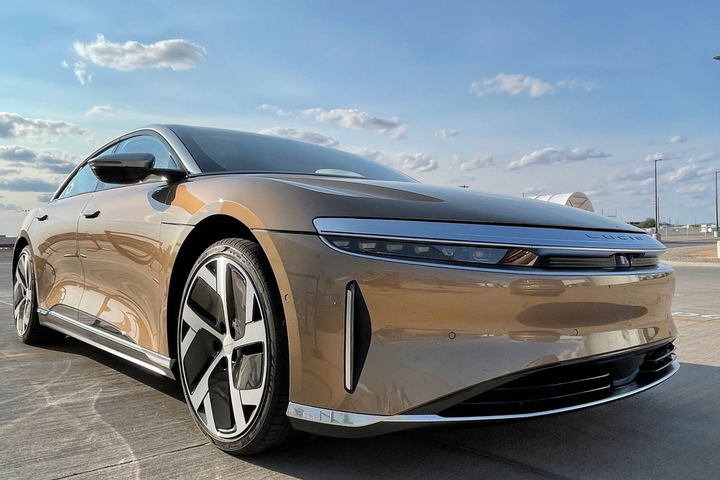
Lucid Motors already depends heavily on Saudi capital. A Saudi prince has now made a separate personal bet on the electric-vehicle company.
What happened
Prince Al Waleed bin Talal purchased slightly more than 19 million Lucid shares, giving him a 5% stake in the company, according to a US Securities and Exchange Commission filing.
The purchase is separate from Saudi Arabia’s Public Investment Fund, which is already Lucid’s majority owner. That distinction matters: this is an additional shareholder taking a position, not simply the sovereign fund increasing its existing stake.
Lucid is known for premium electric vehicles and has been working through a difficult period of high costs, production challenges and restructuring. The new investment does not directly provide the company with fresh capital if the shares were purchased from existing holders, but it can still influence market confidence.
Why it matters
A large personal stake from a prominent investor can be read as a vote of confidence in Lucid’s long-term technology and Saudi manufacturing strategy. The company has strong battery-efficiency and vehicle-engineering credentials, but it operates in a capital-intensive market where scale is difficult and price competition is intense.
The purchase also reinforces Lucid’s unusually concentrated relationship with Saudi capital. That support has helped the company continue investing through losses, but it means the shareholder base and strategic direction are closely tied to one country.
The bigger picture
This is a public-company ownership development, not a startup funding round. It should not be confused with new operating capital or proof that Lucid’s restructuring is working.
The real indicators remain vehicle deliveries, cash burn, manufacturing efficiency and demand for upcoming models. A committed shareholder can provide time, but it cannot solve production economics or create customers.
The transaction is still notable because EV companies require patient capital on a scale few investors can provide. Lucid’s future may depend as much on the durability of its backers as on the performance of its cars.