
Letara Raises $16M for Hybrid Rockets
Letara’s funding shows Japan’s spacetech ecosystem moving from satellite components toward broader propulsion and national-capability infrastructure.
Japan’s spacetech market is getting another funding signal, this time around propulsion rather than satellites or launch platforms alone.
What happened
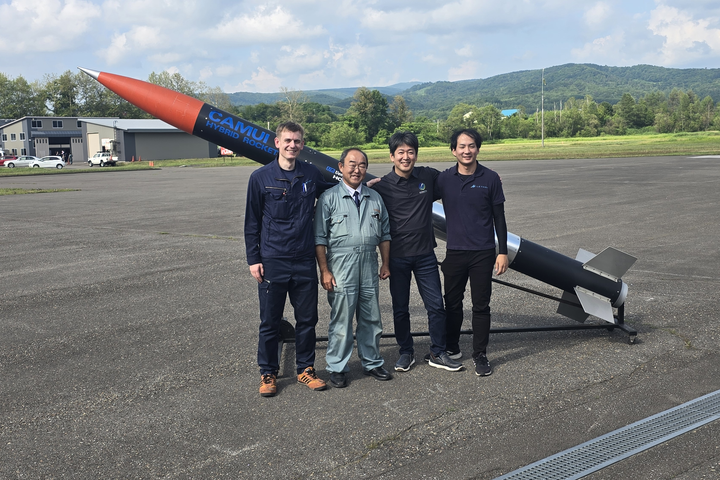
Letara raised ¥2.6B, or about $16M, to expand its hybrid rocket technology. The company started with propulsion for small satellites, but the new capital is aimed at larger hybrid rocket systems for space, defence and security-related demand.
The round was co-led by Headline Asia, JIC Venture Growth Investment and Incubate Fund, with strategic investors including Toyoda Gosei and a JAXA-backed fund. That investor mix points to both venture interest and national industrial relevance.
Why it matters
Propulsion is one of the less glamorous but essential layers of space infrastructure. Satellites increasingly need manoeuvrability for deployment, collision avoidance, mission extension and more flexible orbital operations. For countries trying to strengthen their space industrial base, propulsion capacity is a strategic dependency.
The bigger picture
Letara sits in the wider trend of spacetech moving from launch-cost excitement into operational infrastructure: mobility, servicing, sensors, power and communications. The companies that control those layers may become important suppliers even if they are not the most visible names in space.