
Laplace Builds AI Safety Testing for Robots
Laplace Intelligence is developing AI-powered simulation tools that deliberately search for failure cases in robots and autonomous vehicles before those systems encounter them in the real world.
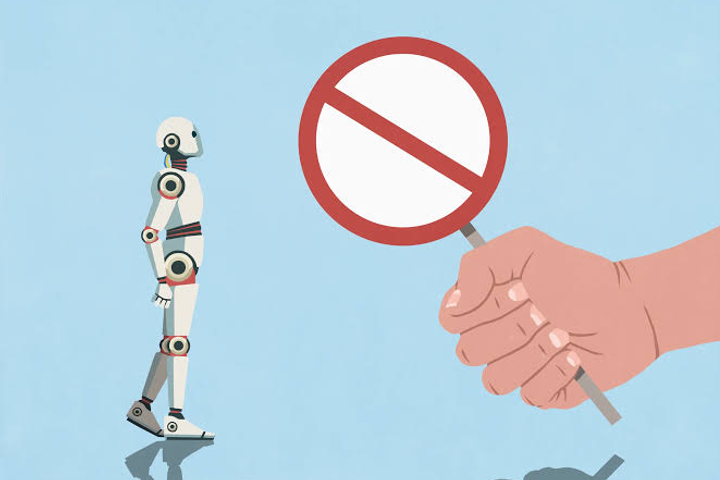
Laplace Intelligence is developing AI-powered simulation tools that deliberately search for failure cases in robots and autonomous vehicles before those systems encounter them in the real world.
What happened
The University of Michigan spinout builds simulated environments where AI agents generate difficult scenarios for autonomous systems. Its platform draws on Nvidia's Cosmos world-simulation technology and reconstructed real-world environments to create edge cases such as unusual pedestrian behaviour, difficult road conditions or unexpected interactions between machines and people. Laplace has reported customers including Isuzu, Bot Auto and Nvidia, and participation in a smart-city pilot involving San Jose and T-Mobile. The company says it has begun generating revenue and achieved modest profitability, but those operating figures are company-reported. This is a company-development story rather than a new financing announcement.
Why it matters
Physical AI systems operate under safety constraints that are more severe than most software tools. A robot or vehicle failure can damage equipment or injure people. Automated adversarial testing could expose rare scenarios that developers may not encounter during ordinary field testing.
The bigger picture
As autonomous machines become more capable, simulation-based red teaming may become an important assurance layer. The commercial question is whether synthetic scenarios predict real-world failures well enough to improve safety rather than simply expand the volume of testing.