
LAPD drops Flock as surveillance privacy concerns grow
Los Angeles will let its Flock Safety contract expire, showing how privacy and data governance are becoming decisive in public-sector technology deals.
Public-sector technology can lose legitimacy even when the underlying system works as intended.
What happened
The Los Angeles Police Department will allow its contract with Flock Safety to expire, citing concerns around privacy, civil liberties, data collection and information sharing.
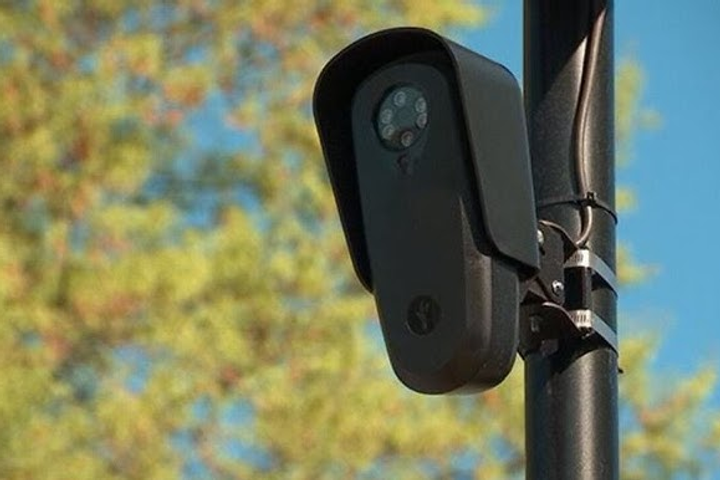
Flock operates a large network of automated licence-plate cameras used by police departments and federal agencies across the United States.
The decision means one of the country’s largest police departments is stepping back from a surveillance platform that has expanded quickly through public-sector contracts.
Why it matters
Flock’s model turns physical surveillance into a networked software service.
That creates value for law enforcement, but it also raises questions about who can access the data, how long it is stored and whether information can be shared beyond the original purpose.
For cybersecurity and public-safety technology companies, data governance is becoming part of the product rather than a separate policy issue.
The bigger picture
Governments are becoming more cautious about technologies that combine large-scale sensing, cloud infrastructure and cross-agency data access.
Future public-sector platforms may need stronger controls, clearer audit trails and more transparent usage policies before they can win or retain major contracts. Trust is becoming a commercial requirement for surveillance technology.