
Kimi demand strains Moonshot’s compute capacity
Moonshot AI has paused new paid Kimi subscriptions after demand pushed its inference clusters close to capacity, while IPO preparations continue.
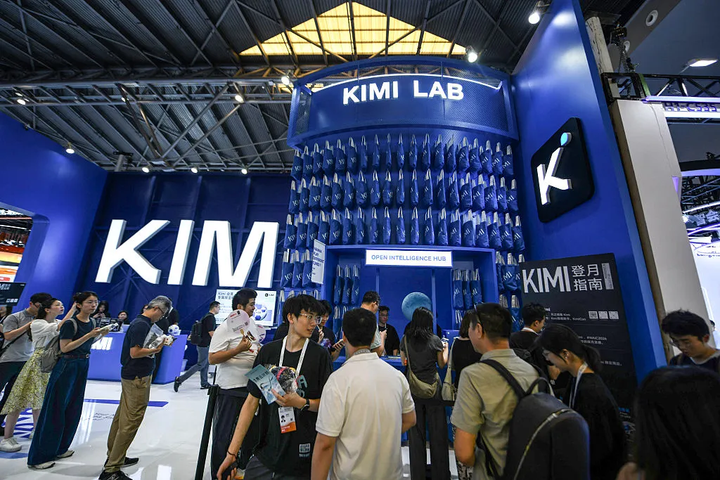
Launching a competitive AI model is only the beginning. Serving millions of users reliably can become an equally difficult and expensive challenge.
What happened
Moonshot AI temporarily stopped accepting new paid subscriptions after demand for Kimi K3 pushed requests close to the limits of its computing clusters.
Existing subscribers remain supported, and the company plans to reopen access in batches as more capacity becomes available.
Moonshot is also restructuring ahead of a possible Hong Kong IPO and has reportedly hired advisers including Goldman Sachs and CICC. The timetable remains fluid, and the company has not confirmed a final listing plan.
Why it matters
Inference-heavy workloads such as coding and autonomous agents can consume substantial computing resources after a model has already been trained. Strong user demand therefore creates a capital requirement rather than automatically producing easy software margins.
Temporarily limiting new subscriptions protects service quality, but it also shows the commercial constraint created by insufficient capacity.
The bigger picture
AI competition increasingly depends on the ability to operate models efficiently at scale. Labs need access to chips, power and data-centre capacity while keeping prices low enough to attract users.
Moonshot’s capacity pressure is a positive demand signal, but it also illustrates why AI companies may pursue public listings or large private rounds even after developing a successful product: model adoption can make infrastructure spending accelerate rather than decline.