
Keiron Raises €20.7M for Solder Printing
Keiron is tackling a small but expensive electronics-manufacturing bottleneck: solder paste printing.
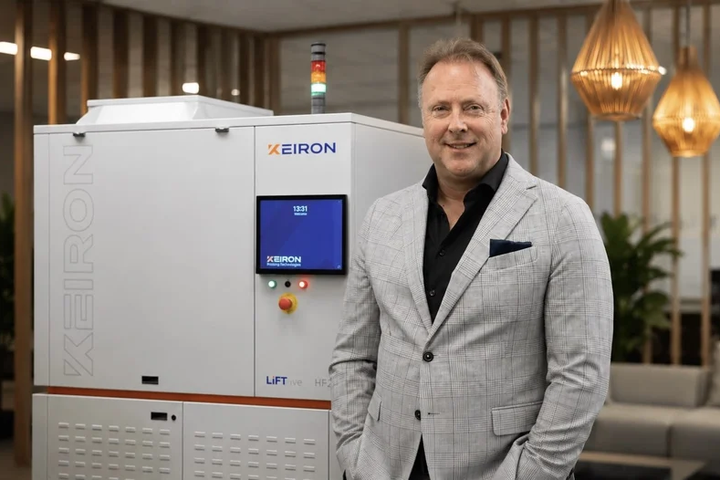
Some of the most important deeptech startups are not trying to reinvent the whole factory. They are fixing one painful step inside it.
What happened
Eindhoven-based Keiron raised a €20.7M Series A to scale its precision solder-paste printing technology. The company uses Laser-Induced Forward Transfer to place solder paste more accurately during electronics assembly.
Solder paste printing sounds niche, but it is a major source of defects in electronics manufacturing. As circuit boards become denser and components get smaller, tiny errors in solder placement can reduce yield, increase waste and make advanced hardware more expensive to produce.
Why it matters
This is a strong manufacturing-infrastructure signal. AI hardware, robotics, medical devices and industrial electronics all depend on increasingly complex boards. If Keiron can improve yield at scale, it sits inside a critical part of the supply chain rather than selling a nice-to-have software layer.
The funding also fits a broader European deeptech theme: precision manufacturing tools that support semiconductor, electronics and industrial resilience.
The bigger picture
AI infrastructure is often discussed as chips, data centres and power. But the physical supply chain underneath those systems is full of smaller bottlenecks. Keiron is a reminder that deeptech value can hide in the unglamorous steps that make advanced hardware manufacturable.