
Katalyst launches NASA’s first orbital rescue mission
Katalyst Space Technologies’ $30M NASA mission shows orbital servicing emerging as a commercial infrastructure market, not just a one-off experiment.
The next big commercial-space market may not be launching new satellites. It may be keeping existing ones alive.
What happened
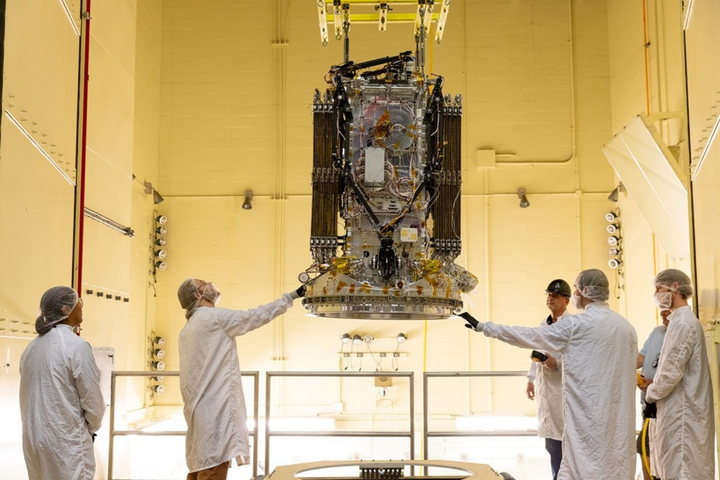
Arizona startup Katalyst Space Technologies launched its LINK spacecraft on a mission to save NASA’s aging Swift Observatory from orbital decay.
The company built the mission under a $30M NASA contract. The goal is to help extend the life of a scientific asset valued at roughly $500M by addressing the risk that its orbit will continue to degrade.
The mission represents a major test of whether a private company can deliver practical servicing for an important asset already in orbit.
Why it matters
This is a strong commercial-space signal because it expands the market beyond launch. Satellites are expensive assets, and replacing them is often slower and more costly than extending their useful lives.
If startups can safely inspect, reposition, repair or otherwise support spacecraft already in orbit, they create a new service category with potential demand from governments, research agencies and commercial operators.
The economics can be compelling: spending tens of millions to preserve an asset worth hundreds of millions may be more rational than building and launching a replacement.
The bigger picture
Space is becoming an infrastructure market. As more assets move into orbit, operators will need maintenance, logistics, refuelling, inspection and life-extension services.
Katalyst’s mission is an early example of that shift. The long-term opportunity is not just putting more hardware into space, but building the service layer that keeps orbital infrastructure useful for longer.