
Juno Bio raises $3.8M to bring sequencing into women’s healthcare
The company has opened a dedicated clinical sequencing laboratory to analyse the vaginal microbiome and support more precise diagnosis.
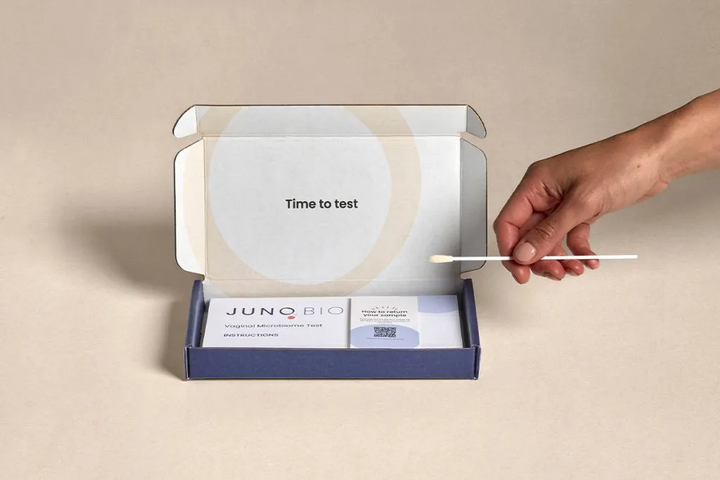
Juno Bio has raised $3.8M and opened a sequencing laboratory dedicated to women’s health, aiming to turn the vaginal microbiome into clinically useful information rather than a general wellness metric.
What happened
The UK-founded company raised $3.8M from investors including Ada Ventures, Artesian, Entrepreneur First and Illumina Accelerator. It also opened a CLIA-certified sequencing laboratory in Oakland.
Juno uses next-generation sequencing to analyse the vaginal microbiome. Its clinical test examines around 10,000 bacterial and fungal species alongside four common sexually transmitted infections, providing a broader view than tests focused on a small set of pathogens.
The company says it has sold more than 20,000 tests and built one of the largest vaginal-microbiome datasets. Those figures are company-reported.
Why it matters
Vaginal-health conditions can produce similar symptoms even when their underlying biological causes differ. That can lead to repeated or poorly targeted treatment.
A richer sequencing-based test could help clinicians distinguish different microbial patterns and choose more appropriate interventions. The dedicated laboratory also gives Juno greater control over sample processing and data quality.
The bigger picture
Women’s-health diagnostics have historically received less research and investment than many other clinical areas. Juno’s dataset could become valuable if it links microbial patterns with treatment outcomes and recurring conditions.
The central question is clinical utility. Detecting more organisms does not automatically improve care. Juno must demonstrate that its results change medical decisions, produce better outcomes and can be reimbursed within mainstream healthcare—not only purchased directly by consumers.